



Currants are small berries packed with bright flavor, making them a versatile ingredient in both sweet and savory dishes. Whether you grow them in your garden or buy them fresh at the market, there are many ways to use currants in everyday cooking. Learning how to use currants in the kitchen can help you make delicious desserts, refreshing drinks, sauces, and preserves. Their natural balance of sweetness and acidity makes them ideal for baking, sauces, and homemade jams.
With just a few simple techniques, currants can easily become a regular ingredient in your home cooking. This guide explores practical and creative ideas for cooking with currants so you can enjoy their flavor throughout the season. Our gardening blog is a perfect place to find all the information you need!
Understanding Different Types of Currants
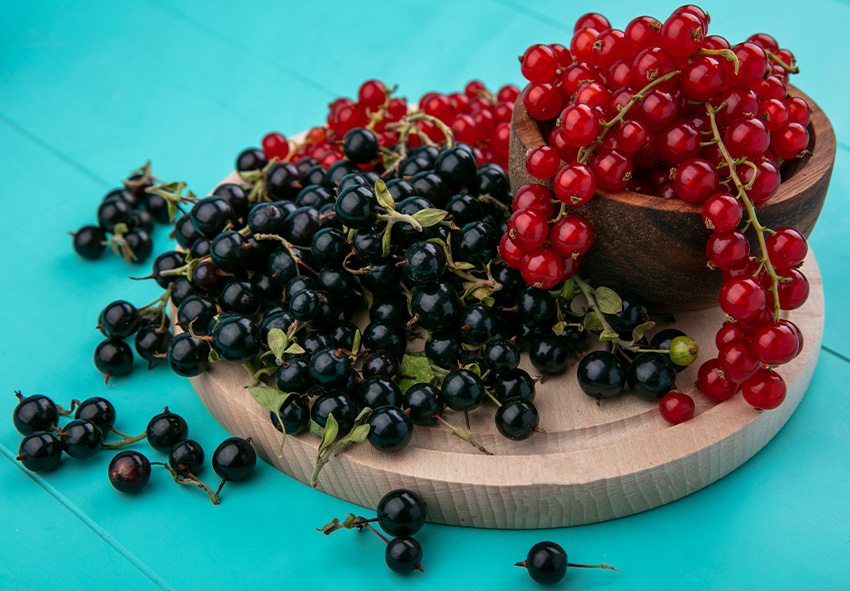
Before exploring currant recipes, it helps to understand the differences between common varieties. Each type has a slightly different flavor profile and culinary use. Some currants are sweeter and better for fresh eating, while others are more tart and ideal for cooking or preserving. Knowing which variety you are using can help you choose the best recipe and preparation method.
Red Currants
Red currants are the most commonly used berries in cooking. They have a bright, tart flavor and a beautiful translucent appearance. Popular varieties like Rovada, Red Lake, and Jonkheer van Tets offer bright acidity and juicy berries, making them ideal for jellies, compotes, pastries, and fruit sauces. Red currants also pair well with poultry and pork. Their vibrant color makes them a popular decorative garnish for cakes, pastries, and fruit platters.
Black Currants
Black currants have a deeper color and a richer, slightly earthy flavor. They contain high levels of antioxidants and vitamin C. Varieties such as Ben Sarek, Ben Lomond, and Titania are excellent for jams, syrups, sauces, and baked desserts, because they produce aromatic, deeply flavored berries. Their bold flavor works well in both sweet and savory dishes. Black currants are also commonly used to create concentrated syrups and traditional European beverages.
White Currants
White currants are actually a pale variety of red currants. They are milder and slightly sweeter. These berries are often used in elegant desserts, fruit salads, and decorative garnishes. Varieties like White Hollander, Blanka, and Primus have a milder sweetness and delicate flavor, which makes them especially suitable for light desserts, preserves, and fresh fruit and light summer dishes.
Using Fresh Currants in Everyday Cooking
Fresh currants are incredibly versatile and can be used in simple recipes without much preparation. Their tartness adds brightness to many dishes. Because they are small and delicate, currants blend easily into both sweet and savory recipes without overwhelming other ingredients.
Here are some easy ways to use currants in your kitchen:
- Add fresh currants to fruit salads for color and flavor
- Sprinkle them over yogurt or oatmeal
- Use them as a topping for pancakes or waffles
- Mix them into green salads with nuts and cheese
- Blend them into smoothies for a tangy twist
Fresh currants can also be lightly sweetened and served as a quick dessert. They are especially refreshing when chilled and combined with cream or soft cheese.
Making Currant Preserves and Sauces
One of the most traditional ways to use currants in cooking is making preserves. Their natural pectin makes them perfect for jams and jellies. Preserving currants allows you to enjoy their flavor long after the harvest season has ended. Homemade preserves also capture the berries’ natural color and aroma.
Currant Jam
Currant jam is bright, flavorful, and easy to prepare. It pairs well with toast, pastries, and cheese boards. Red currants are especially popular for making jam because of their balanced tartness. This jam also works well as a filling for cakes, cookies, and layered desserts.
Currant Jam
Currant jam is one of the most traditional and popular ways to preserve these berries. Their natural tartness creates a balanced flavor that works beautifully in spreads and desserts. Currants are also rich in natural pectin, which helps the jam thicken easily without additional gelling agents. The result is a bright, flavorful jam perfect for toast, pastries, or yogurt.
This simple currant jam recipe may become your favourite!
Ingredients:
- 2 cups fresh currants (red or black)
- 1 ½ cups sugar
- 2 tbsp lemon juice
- ¼ cup water
Instructions:
Place the currants and water in a saucepan and cook over medium heat until the berries begin to break down. Add the sugar and lemon juice, stirring until the sugar dissolves completely. Simmer for 10–15 minutes, stirring occasionally, until the mixture thickens. Pour the hot jam into sterilized jars and let it cool before sealing.
Currant Jelly
Currant jelly has a smooth texture and vibrant color. It is commonly served with roasted meats or holiday dishes. This preserve is also a classic ingredient in many traditional sauces. Its bright flavor makes it a popular accompaniment for game meats and festive meals.
Baking with Currants
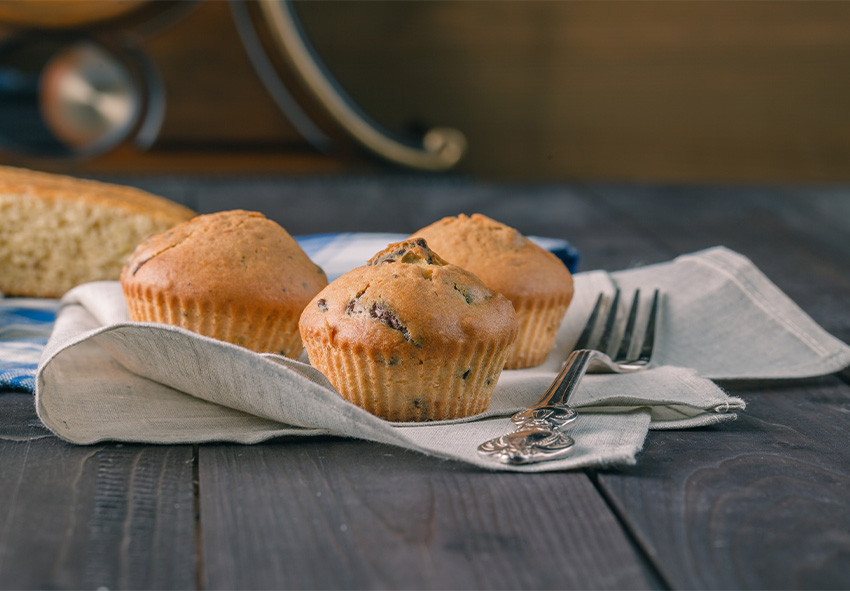
Currants are popular in baking because their tart flavor balances sweet doughs and batters. Their small size allows them to distribute evenly throughout baked goods. They can be used in many classic recipes, from simple muffins to elegant pastries. Currants also hold their shape well during baking, which helps preserve texture and flavor.
Currant Muffins and Cakes
Currants can easily replace blueberries or raspberries in muffin recipes. Their small size distributes evenly throughout the batter. They work especially well in sponge cakes, tea cakes, and loaf cakes. The berries add small bursts of tangy flavor that make baked treats taste lighter and more refreshing.
Here is a simple currant muffin recipe for you!
Ingredients:
- 1 ½ cups all-purpose flour
- ½ cup sugar
- 1 tsp baking powder
- ½ tsp baking soda
- ¼ tsp salt
- 1 egg
- ½ cup milk
- ⅓ cup melted butter or vegetable oil
- 1 cup fresh or frozen currants
Instructions:
Preheat the oven to 180°C (350°F) and line a muffin tin with paper liners. In one bowl, mix flour, sugar, baking powder, baking soda, and salt. In another bowl, whisk the egg, milk, and melted butter. Combine the wet and dry ingredients, gently fold in the currants, and fill muffin cups about two-thirds full. Bake for 18–22 minutes until golden and a toothpick inserted in the center comes out clean.
Currant Scones and Biscuits
Classic European scones often include currants. The berries add bursts of flavor without making the dough overly moist. Currant scones pair perfectly with butter, cream, or jam. They are often served with afternoon tea and remain a favorite in traditional British baking.
Currant Tarts and Pies
Currants create beautiful and flavorful fillings for tarts and pies. Their natural acidity helps balance sweet pastry and custard fillings. A simple currant tart can be made with shortcrust pastry and lightly sweetened berries. These desserts highlight the fresh flavor of currants while showcasing their vibrant color.
Currant Sauces for Savory Dishes
Currants are not only useful in desserts—they also create flavorful sauces for savory meals. Their natural acidity helps balance rich meats and hearty dishes. Many traditional European recipes use currants to add brightness and complexity to sauces served with roasted or grilled foods.
Currant Sauce for Poultry
Currant sauce pairs beautifully with chicken, turkey, and duck. The tart flavor cuts through the richness of roasted poultry and enhances the overall dish. A simple sauce can be made by simmering currants with sugar, vinegar, and a small amount of stock. Adding herbs such as thyme or rosemary can create a deeper, more aromatic flavor.
Currant Glaze for Pork
Pork works especially well with fruit-based glazes, and currants are an excellent choice. Their natural sweetness intensifies as they cook. A currant glaze can be brushed onto pork chops, tenderloin, or roasted pork during the final stage of cooking. This technique creates a glossy finish and adds a slightly tangy flavor that complements the meat.
Currant Sauce for Game Meats
Currants have long been used in sauces for venison and other game meats. Their sharp flavor balances the richness and intensity of these dishes. The sauce can be enriched with wine, spices, or citrus zest. When simmered slowly, the currants break down and create a smooth, flavorful accompaniment for roasted or grilled game.
Refreshing Drinks and Beverages with Currants
Currants can also be used to create refreshing drinks. Their vibrant flavor works well in both simple beverages and more elaborate recipes. Fresh or frozen currants can easily be transformed into juices, syrups, or infused drinks.
Currant Lemonade
Currant lemonade is a bright and refreshing summer drink. The tartness of currants complements the citrus flavor of fresh lemons. To prepare it, currants can be crushed and mixed with lemon juice, sugar, and cold water. The result is a colorful beverage that is both refreshing and visually appealing.
Currant Smoothies
Currants add a vibrant flavor to smoothies. Their acidity helps balance sweet fruits such as bananas or mangoes. They blend well with yogurt, milk, or plant-based alternatives. Adding currants to smoothies also boosts the nutritional value with vitamins and antioxidants.
Homemade Currant Syrup
Currant syrup is a versatile kitchen ingredient. It can be used to flavor drinks, desserts, or breakfast dishes. The syrup is made by simmering currants with sugar and water until the berries release their juices. Once strained, the syrup can be stored in the refrigerator and used for pancakes, cocktails, or sparkling water.
Creative Dessert Ideas Using Currants
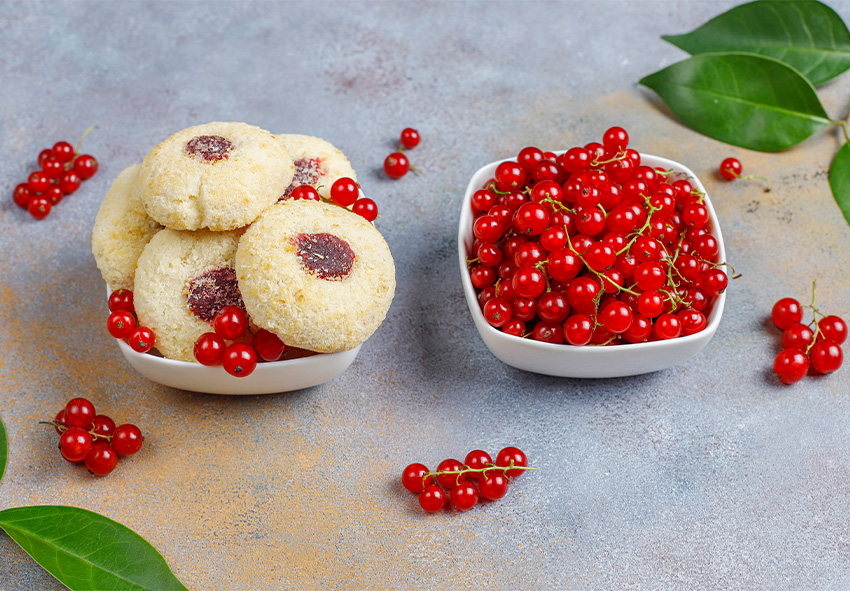
Currants can elevate many dessert recipes thanks to their bright flavor and vibrant color. Even a small amount can transform simple sweets into more interesting treats. These berries are particularly useful for balancing rich desserts that need a hint of acidity.
Currant Parfaits
Currant parfaits are easy to assemble and visually appealing. Layers of yogurt, cream, granola, and fresh currants create a balanced dessert. The tart berries contrast nicely with creamy ingredients. Parfaits can be served as a light dessert or even a special breakfast treat.
Currant Ice Cream and Sorbet
Currants are perfect for frozen desserts. Their flavor remains bright even when chilled. They can be blended into ice cream bases or used to create refreshing sorbets. The intense color of currants also gives frozen desserts a beautiful natural appearance.
Currant Compote
Currant compote is a quick dessert topping made by gently cooking the berries with sugar and a splash of water. It can be served warm or chilled. This simple preparation pairs well with pancakes, waffles, ice cream, or cheesecake.
Conclusion
Currants are a versatile ingredient that can transform both sweet and savory dishes. Their bright flavor, natural acidity, and vibrant color make them useful in baking, cooking, and preserving.
From homemade jams to refreshing drinks and elegant desserts, there are many creative ways to use currants in the kitchen. By experimenting with these berries, you can add new flavors and seasonal variety to your cooking while making the most of this nutritious and delicious fruit!
Frequently Asked Questions (FAQs) about Currant Recipes
1. What types of currants are best for cooking and baking?
Red currants, black currants, and white currants are all excellent for cooking. Red currants are the most common in desserts because of their bright flavor and color. Black currants have a deeper, richer taste that works well in jams, sauces, and syrups. White currants are milder and often used in delicate desserts or fresh dishes.
2. Can currants be used instead of other berries in recipes?
Yes, currants can easily replace berries like blueberries, raspberries, or cranberries in many recipes. Because they are smaller and slightly more tart, they add a concentrated burst of flavor. They work especially well in muffins, cakes, sauces, and jams where their natural acidity enhances the overall taste.
3. Do currants need to be cooked before eating?
Currants can be eaten fresh, but they are often cooked to soften their tart flavor. Many people prefer using them in jams, baked goods, sauces, or syrups. Cooking also releases their natural pectin, which helps thicken preserves and creates a smoother texture in desserts and spreads.
4. How should fresh currants be stored before using them?
Fresh currants should be stored in the refrigerator and used within a few days for the best flavor. Keep them unwashed in a breathable container or a loosely closed bag. Wash them gently just before use. Currants can also be frozen easily if you want to preserve them for later cooking or baking.
5. Can I order currant plants in your online store?
Yes, our online store Dutch-bulbs.com offers a variety of currants suitable for different climates. We source high-quality bare-root plants to ensure a successful growing experience for our customers. Growing your own currants ensures a steady supply of fresh fruit for jams, desserts, and other kitchen recipes.
Published: 20.03.2026