



Transplanting Galanthus, commonly known as snowdrops, is an important task for gardeners who want healthier plants and better spring displays. Although many bulbs are moved in autumn, winter can also be a suitable time when handled correctly. Understanding how to transplant snowdrops in winter helps reduce plant stress and ensures strong root development before the growing season. Our gardening blog is a perfect place to find all the information you need!
What Are Galanthus (Snowdrops)?
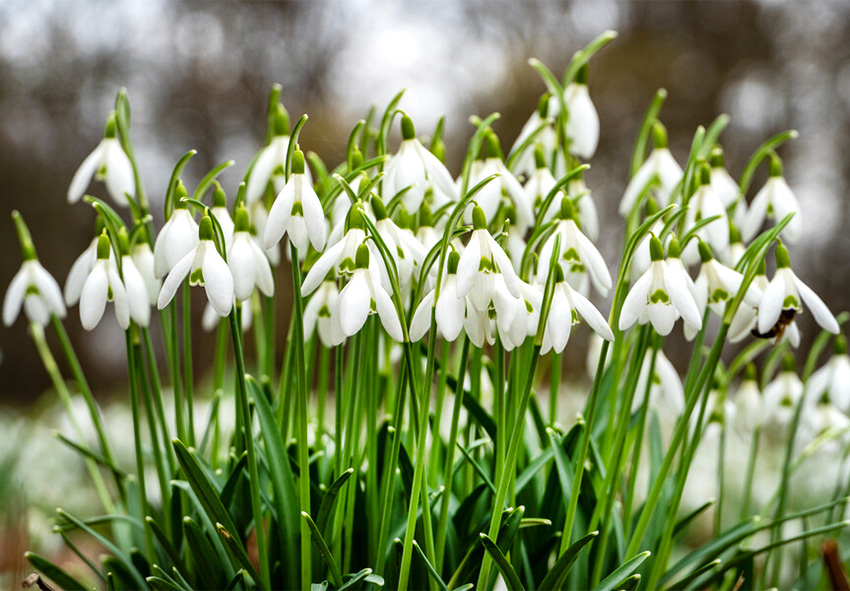
Galanthus are small, early-flowering bulbs known for their white, nodding blooms that appear in late winter or early spring. They are hardy perennials that naturalize easily, forming attractive clumps over time. Snowdrops are especially valued for bringing life to the garden when most plants are still dormant.
Why Winter Is a Suitable Time for Transplanting Galanthus
Winter transplanting works well because Galanthus bulbs are resilient and tolerate cold conditions. When soil is workable and not frozen, moving them causes minimal disturbance. This timing allows the roots to settle slowly before active growth begins.
Understanding the Growth Cycle of Galanthus
Knowing the natural growth cycle of Galanthus is key to successful transplanting. These plants follow a predictable pattern that influences when and how they should be moved. Winter transplanting works best when gardeners respect this cycle.
Dormant vs. Active Growth Stages
Galanthus bulbs alternate between dormancy and active growth throughout the year. After flowering, foliage feeds the bulb before dying back. During winter, growth is slow, making it easier for bulbs to adapt to a new location.
How Winter Conditions Affect Snowdrop Roots
Cold soil temperatures slow root activity but do not stop it completely. Roots can still establish gradually, which helps reduce transplant shock. Moist but well-drained soil is especially important during this period.
When Galanthus Can Safely Be Moved
Snowdrops can be moved in winter when the ground is not frozen solid. Mild winter days are ideal, especially in regions with temperate climates. Avoid transplanting during extreme cold spells.
Benefits of Transplanting Galanthus During Winter
Winter transplanting offers several advantages for gardeners and plant health. When done correctly, it can result in stronger plants and better flowering. This method is often overlooked but highly effective.
Reduced Transplant Shock in Cold Weather
Cool temperatures reduce water loss and stress on the plant. This allows Galanthus bulbs to adjust gradually. As a result, survival rates are often higher than expected.
Better Establishment Before Spring Growth
By the time spring arrives, transplanted snowdrops are already settled. This head start encourages healthy foliage and blooms. Strong root systems also support long-term growth.
Improving Flowering and Plant Health
Relocating overcrowded clumps improves air circulation and nutrient access. Healthier bulbs produce more consistent flowering. Winter transplanting supports overall Galanthus winter care.
Preparing Galanthus for Winter Transplanting
Preparation is essential for successful transplanting in winter. Taking the time to plan helps prevent damage to bulbs and roots. Good preparation also shortens recovery time.
Choosing Healthy Snowdrops for Transplanting
Select plants with firm bulbs and no signs of rot or disease. Healthy foliage, even if limited, is a good indicator of bulb strength. Avoid weak or damaged plants.
Tools and Materials Needed
Basic tools include a hand fork, spade, and gloves. Mulch and compost may also be needed to protect transplanted bulbs. Clean tools help prevent disease spread.
Preparing the New Planting Location
Choose a spot with well-drained soil and partial shade. Loosen the soil before planting to improve root penetration. Adding organic matter improves soil structure.
Step-by-Step Guide to Transplanting Galanthus in Winter
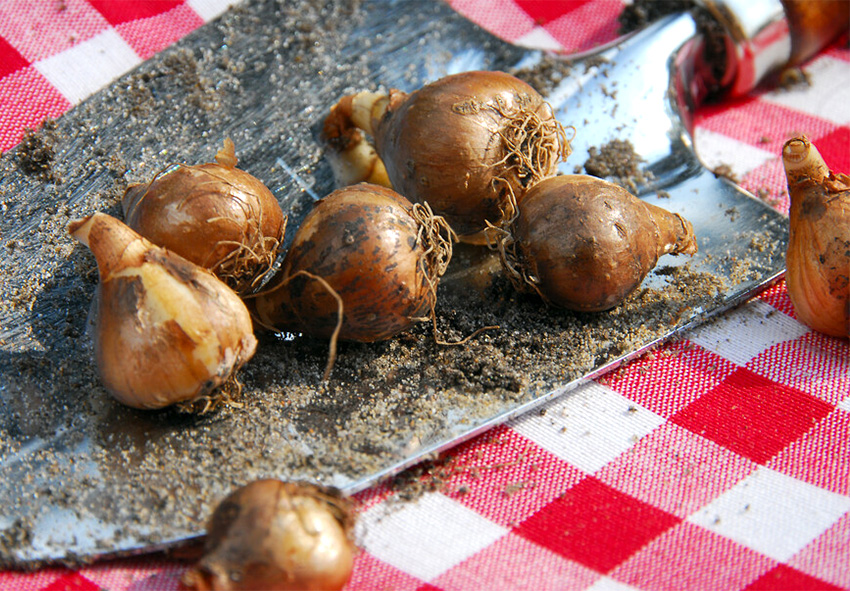
Following a careful process ensures the best results. Each step protects the bulbs and encourages healthy regrowth. Winter conditions require gentle handling:
- Lifting Galanthus Clumps Carefully
Dig around the clump rather than directly underneath it. Lift gently to avoid breaking bulbs or roots. Keep as much soil attached as possible.
- Dividing Snowdrops Without Damaging Bulbs
Separate bulbs by hand, avoiding excessive force. Each division should have a healthy bulb and roots. Smaller divisions may take longer to flower.
- Proper Replanting Depth and Spacing
Plant bulbs at the same depth they were originally growing. Space them a few inches apart to allow natural spreading. Firm the soil gently around them.
- Watering After Transplanting in Winter
Water lightly to settle the soil. Avoid overwatering, as cold soil retains moisture longer. Proper drainage is crucial.
Soil and Location Requirements for Transplanted Galanthus
The right growing conditions make a big difference in success. Galanthus are adaptable but still have specific needs. Meeting these needs supports long-term growth.
Best Soil Type for Snowdrops
Snowdrops prefer loamy, nutrient-rich soil. Slightly moist but well-drained soil is ideal. Heavy clay should be improved with compost.
Drainage Needs During Cold Months
Good drainage prevents bulbs from rotting. Raised beds or sloped areas work well in winter. Standing water should always be avoided.
Sunlight and Shade Preferences
Galanthus grow best in partial shade. Deciduous trees are ideal, as they allow light in winter and spring. Too much sun can dry the soil.
Winter Care After Transplanting Galanthus
Aftercare is just as important as transplanting itself. Proper winter care helps bulbs survive cold temperatures. Small efforts can lead to big improvements in spring.
Mulching to Protect Bulbs from Frost
Apply a light layer of mulch to insulate the soil. This helps regulate temperature and moisture. Avoid covering emerging shoots.
Managing Moisture Levels
Check soil moisture occasionally during dry winters. Water only if the soil becomes very dry. Overwatering is a common mistake.
Signs of Successful Transplanting
Healthy green shoots in late winter or early spring indicate success. Strong flowering is another positive sign. Weak growth may improve the following season.
Common Mistakes to Avoid When Transplanting Snowdrops
Avoiding common errors increases success rates. Many problems arise from timing or soil conditions. Awareness helps prevent these setbacks:
- Transplanting in Frozen or Waterlogged Soil: Frozen ground damages bulbs and roots. Waterlogged soil encourages rot. Always wait for suitable conditions.
- Damaging Bulbs and Roots: Rough handling reduces survival chances. Gentle lifting and planting are essential. Take your time during the process.
- Incorrect Planting Depth: Planting too deep or too shallow affects growth. Always match the original depth. Consistency helps bulbs adjust.
To provide the right care for your plants during the whole growing cycle, check out our full guide for Galanthus, which highlights the most common mistakes to avoid when growing snowdrops.
Transplanting Galanthus in Pots vs. Garden Beds
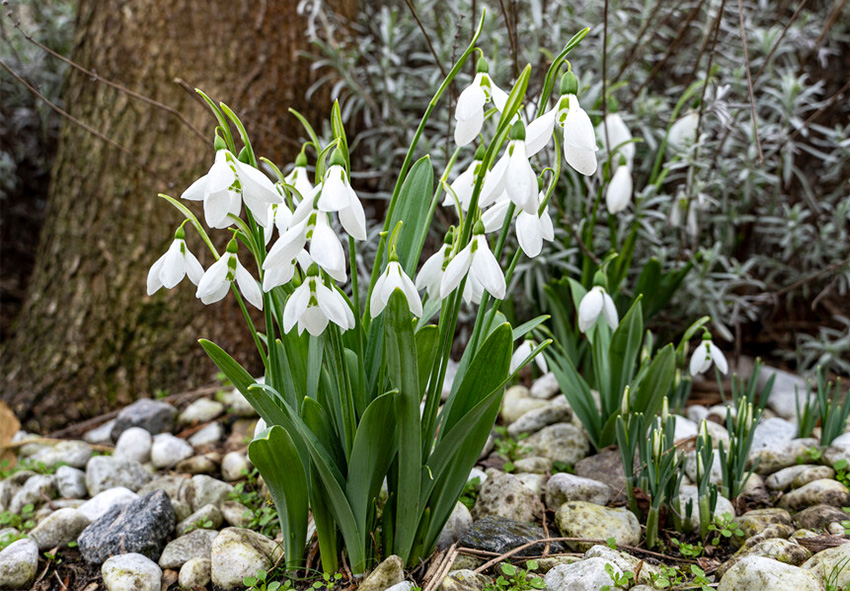
Snowdrops grow well in both containers and garden beds. Each method has unique advantages. Winter transplanting works for both when done properly.
Advantages of Container Transplanting
Containers offer better control over soil and drainage. They are ideal for small gardens or patios. Pots can also be moved easily for protection.
Best Pots and Drainage for Winter Conditions
Choose pots with drainage holes. Use free-draining compost to prevent excess moisture. Elevating pots improves airflow.
Moving Potted Snowdrops Outdoors
Gradually acclimate pots to outdoor conditions. Protect them from severe frost. Sheltered areas work best.
Conclusion
Transplanting Galanthus in winter is a practical and effective gardening technique. With proper timing, gentle handling, and good aftercare, snowdrops adapt well to their new location. By understanding how to transplant snowdrops correctly, gardeners can enjoy healthier plants and beautiful blooms for many seasons to come!
Frequently Asked Questions (FAQs) about Transplanting Galanthus
1. Can Galanthus be transplanted during winter without harming the bulbs?
Yes, Galanthus can be safely transplanted in winter as long as the soil is not frozen or waterlogged. Cold temperatures slow growth but do not damage healthy bulbs. Gentle handling, proper soil drainage, and light watering help minimize transplant shock and support gradual root establishment before spring growth begins.
2. How do I know if my snowdrops have survived winter transplanting?
Successful winter transplanting is usually indicated by green shoots appearing in late winter or early spring. Healthy plants may also produce flowers in the following season. Even if flowering is delayed, strong foliage growth is a sign that the Galanthus bulbs are establishing well in their new location.
3. Can I order Galanthus from your online plant store?
Yes, you can order high-quality Galanthus bulbs directly from our online store Dutch-bulbs.com. We offer carefully selected, healthy bulbs suitable for planting or transplanting. Each order includes planting guidance to help ensure successful establishment and long-lasting blooms in your garden or containers.
4. What is the best soil for transplanting Galanthus in winter?
Galanthus prefer loose, well-drained soil enriched with organic matter. Loamy soil works best, as it retains enough moisture without becoming waterlogged. In winter, good drainage is especially important to prevent bulb rot. Adding compost can improve soil structure and support healthy root development.
5. Should I water Galanthus after transplanting them in winter?
Yes, light watering after transplanting helps settle the soil around the bulbs. However, watering should be minimal during winter because cold soil holds moisture longer. Overwatering can lead to bulb rot, so it’s best to monitor soil moisture and only water when the soil becomes noticeably dry.
Published: 30.12.2025