



Begonias are among the most popular ornamental plants for both indoor and outdoor gardening. Their attractive foliage, diverse flower shapes, and wide range of colors make them a favorite choice for gardeners of all experience levels. From compact houseplants to lush garden varieties, begonias offer endless decorative possibilities.
This guide is designed for beginner gardeners, plant enthusiasts, and anyone interested in expanding their plant collection. Learning how to propagate begonias allows you to grow new plants from existing ones without purchasing additional specimens. It is cost-effective and also helps preserve favorite varieties and experiment with different growing techniques. Our gardening blog is a perfect place to find all the information you need!
Understanding Different Types of Begonias
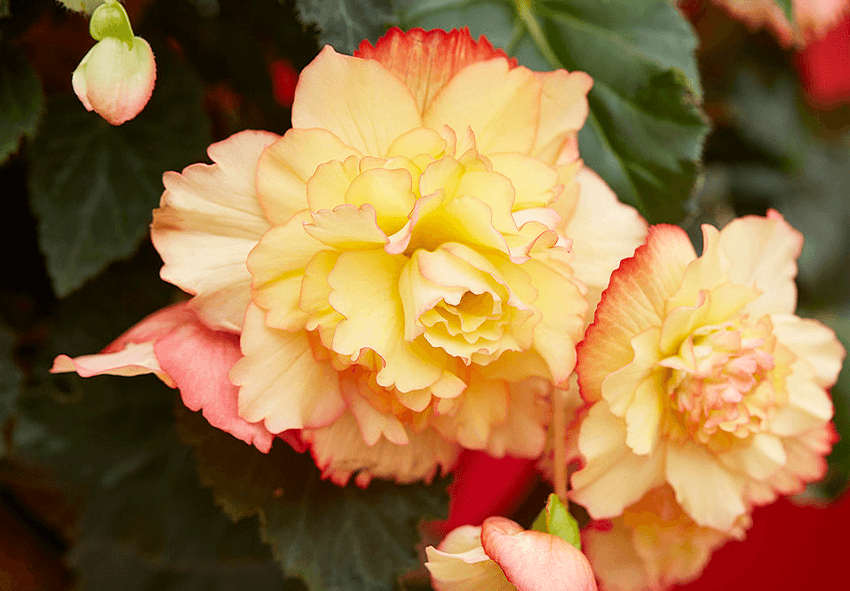
Begonias come in several distinct types, each with unique growth habits and propagation requirements. Understanding these differences is essential for choosing the most effective propagation method. Some varieties are easier to propagate than others, depending on their structure and root system.
Gardeners typically classify begonias into tuberous, fibrous, and rhizomatous types. Each group responds differently to propagation techniques such as cuttings, division, or seed growing. Knowing your plant type ensures better success and healthier results. Selecting the correct method not only improves propagation success but also helps maintain the plant’s original characteristics. This is especially important for decorative varieties with unique foliage or flower colors.
Tuberous Begonias and Their Growth Habits
Tuberous begonias grow from underground tubers that store nutrients. These plants are known for their large, showy flowers and are often used in containers and garden beds. They typically go dormant during colder months, making seasonal care important. Propagation is usually done by dividing begonia tubers rather than using cuttings. Because of their structure, tuberous begonias require careful handling during propagation to avoid damage to the tubers.
Fibrous Begonias for Easy Propagation
Fibrous begonias are among the easiest types to propagate. They have a dense root system and grow continuously without a dormancy period. These plants respond well to stem cuttings, making them ideal for beginners. New roots form quickly when cuttings are placed in water or moist soil. Their adaptability and fast growth make fibrous begonias a popular choice for home gardeners.
Rhizomatous Begonias and Unique Leaf Varieties
Rhizomatous begonias grow from thick horizontal stems called rhizomes. These plants are often grown for their decorative foliage rather than flowers. They can be propagated using both leaf cuttings and rhizome division. This versatility makes them interesting for gardeners who enjoy experimenting. Their unique leaf patterns and textures add visual interest to indoor plant collections.
How Begonia Type Affects Propagation Method
The type of begonia determines which propagation method will be most effective. Using the wrong technique may lead to poor results or failed propagation. For example, stem cuttings work best for fibrous types, while tuber division is ideal for tuberous begonias. Rhizomatous varieties can use multiple methods. Understanding these differences ensures better plant health and successful propagation outcomes.
Best Methods to Propagate Begonias
There are several reliable methods for propagating begonias, each suited to different plant types. Choosing the right method depends on the variety and the desired results. Some methods are quicker, while others require more patience.
The most common propagation techniques include stem cuttings, leaf cuttings, division, and seed growing. Each method offers unique advantages and challenges. By learning these techniques, gardeners can expand their plant collections with ease. Proper preparation and care are essential regardless of the method used. Healthy parent plants and clean tools significantly increase the chances of success.
Propagating Begonias from Stem Cuttings
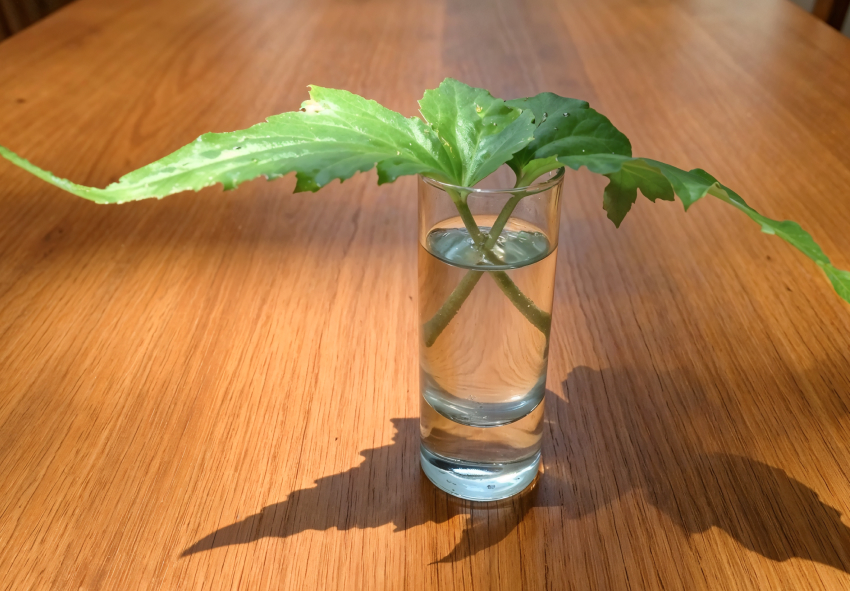
Stem cuttings are one of the easiest and most popular propagation methods. A healthy stem with a few leaves is cut and placed in water or moist soil. Roots typically develop within a few weeks under suitable conditions. This method works especially well for fibrous begonias. It is important to use clean tools and select strong, disease-free stems for the best results.
Leaf Cuttings for Rhizomatous Varieties
Leaf cuttings are commonly used for rhizomatous begonias. A healthy leaf is cut and placed on moist soil, where new plants will develop from the veins. This method allows multiple new plants to grow from a single leaf. It is both efficient and visually fascinating to observe. Maintaining high humidity helps improve the success rate of leaf propagation.
Division of Tubers and Rhizomes
Division is the preferred method for tuberous and rhizomatous begonias. Tubers or rhizomes are carefully separated into sections, each containing a growth point. Each section can develop into a new plant when planted properly. This method preserves the characteristics of the parent plant. Care should be taken to avoid damaging the plant during division.
Growing Begonias from Seeds
Growing begonias from seeds is less common but still possible. This method requires more time and attention compared to other techniques. Seeds are very small and need specific conditions for germination. They are usually sown on the surface of moist soil without covering. Although slower, seed propagation allows gardeners to grow a large number of plants at once.
Step-by-Step Guide to Begonia Propagation
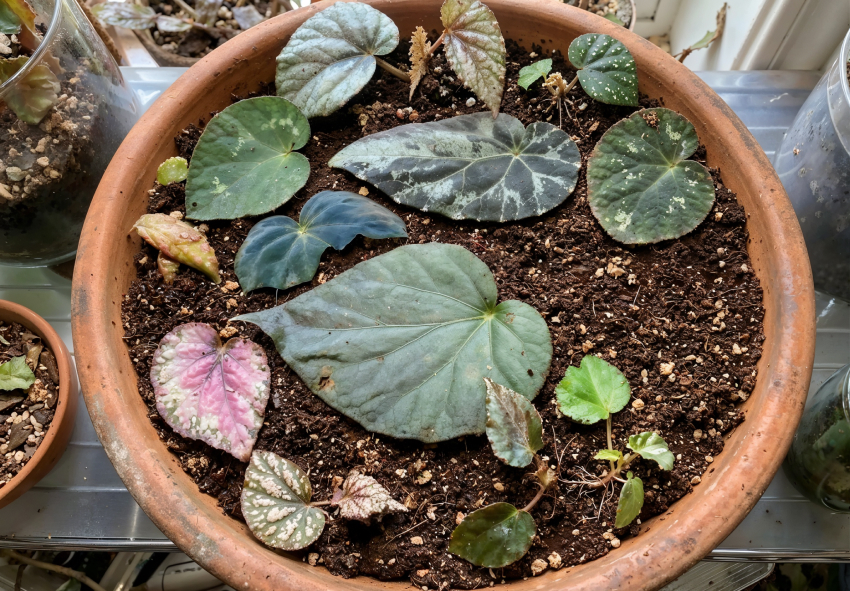
Successful propagation requires careful preparation and attention to detail. Following a structured process increases the chances of healthy plant development. Even simple methods benefit from proper planning.
Each step, from selecting the parent plant to transplanting new growth, plays an important role. Skipping these steps or rushing the process may lead to weak or unhealthy plants:
- Preparing Tools and Materials: Clean and sharp tools are essential for successful propagation. Using sterilized scissors or knives helps prevent disease transmission. You will also need suitable containers, fresh soil, and possibly rooting hormone. Preparing everything in advance makes the process smoother.
- Choosing Healthy Parent Plants: Selecting a strong and healthy parent plant is crucial. Plants with vibrant leaves and no signs of disease produce better cuttings. Avoid using weak or damaged plants, as they may not root successfully. Healthy plants provide better genetic material for new growth.
- Rooting Cuttings in Water or Soil: Cuttings can be rooted in either water or soil, depending on preference. Water propagation allows you to observe root development. Soil propagation often produces stronger roots from the start. Both methods require consistent moisture and indirect light.
Choosing the right method depends on the gardener’s experience and available conditions.
Transplanting Young Begonia Plants
Once roots are well developed, young plants can be transplanted into individual pots. This step allows them to continue growing independently. Use nutrient-rich, well-drained soil to support healthy development. Gentle handling is important to avoid damaging fragile roots.
Best Conditions for Successful Begonia Propagation
Creating the right environment is essential for successful begonia propagation. Factors such as light, temperature, humidity, and soil quality all influence root development. Even the best propagation method may fail without proper conditions. Begonias generally prefer stable and warm environments. Sudden changes in temperature or moisture can slow down growth or damage young plants. Providing consistent care helps ensure successful rooting.
Light and Temperature Requirements
Begonias grow best in bright, indirect light. Direct sunlight can damage delicate cuttings and cause leaf burn. Warm temperatures between 18–24°C are ideal for root formation. Cold conditions can delay or prevent growth.
Soil and Moisture Needs
Well-drained soil is essential to prevent root rot. Begonias prefer slightly moist soil but do not tolerate excessive water. Using a light potting mix helps roots develop more easily. Overwatering should be avoided at all times.
Humidity and Air Circulation
High humidity encourages faster rooting, especially for leaf cuttings. Covering plants with a plastic dome can help retain moisture. However, good air circulation is also important to prevent fungal issues. Finding the right balance is key.
Tips for Different Begonia Varieties
Different begonia types require slightly different propagation techniques. Understanding these variations helps gardeners achieve better results. Tailoring care to each variety ensures healthy growth. Some varieties are more forgiving, while others require precise conditions. Learning these differences improves overall success.
- Propagation Tips for Tuberous Begonias
Tuberous begonias are best propagated through tuber division. Each section should have at least one growth point. Careful handling prevents damage during division. Proper storage during dormancy is also important.
- Best Practices for Rex and Rhizomatous Begonias
Rex begonias can be propagated using leaf cuttings. This method allows multiple plants from one leaf. Maintaining humidity is crucial for success. These varieties benefit from stable indoor conditions.
- Easy Propagation for Wax Begonias
Wax begonias are among the easiest to propagate. Stem cuttings root quickly in water or soil. They adapt well to different environments. This makes them ideal for beginners.
Conclusion: Growing Healthy Begonias from Cuttings
Propagating begonias is a simple and rewarding way to expand your plant collection. With the right techniques and proper care, gardeners can successfully grow new plants from cuttings, leaves, or tubers. Understanding the specific needs of each begonia type ensures better results.
By following basic guidelines and avoiding common mistakes, even beginners can achieve healthy growth. Begonias reward patience with beautiful foliage and vibrant flowers. Experimenting with different propagation methods allows gardeners to discover what works best. With time and practice, anyone can master the art of growing begonias at home.
Frequently Asked Questions (FAQs) about Propagating Begonias
1. What is the easiest way to propagate begonias at home?
The easiest way to propagate begonias is by using stem cuttings, especially for fibrous varieties like wax begonias. Simply cut a healthy stem, place it in water or moist soil, and wait for roots to develop. This method is beginner-friendly, requires minimal tools, and produces reliable results within a few weeks.
2. Can all types of begonias be propagated the same way?
No, different types of begonias require different propagation methods. Fibrous begonias grow well from stem cuttings, while rhizomatous varieties can be propagated from leaf cuttings. Tuberous begonias are usually divided through their tubers. Understanding the plant type helps choose the most effective propagation technique for successful growth.
3. How long does it take for begonia cuttings to root?
Begonia cuttings typically develop roots within 2 to 4 weeks, depending on environmental conditions. Warm temperatures, high humidity, and indirect light help speed up the process. Some varieties root faster than others, but consistent care and proper moisture levels will encourage strong and healthy root formation.
4. What conditions are best for successful begonia propagation?
Begonias propagate best in bright, indirect light with warm temperatures and moderate humidity. Well-drained soil and careful watering are essential to prevent root rot. Maintaining stable conditions and avoiding sudden temperature changes help young plants establish strong roots and grow into healthy, mature begonias.
5. Can I order begonia tubers from your online store?
Yes, you can order high-quality begonia tubers and selected varieties from our online store Dutch-bulbs.com. We offer carefully chosen begonias known for their декоратив foliage and vibrant blooms. Our plants are suitable for indoor growing, containers, and garden beds, helping you easily start or expand your begonia collection.
Published: 31.03.2026