



Sparaxis is a colorful bulbous plant that brings vibrant tones to spring and early summer gardens. Known for its star-shaped blooms and striking color contrasts, this plant is often called the harlequin flower. Sparaxis is ideal for gardeners who want bold color without complicated care routines.
Because sparaxis bulbs are easy to plant and maintain, they are suitable for both beginners and experienced gardeners. Understanding the planting process helps ensure healthy growth and abundant flowering. Our gardening blog is a perfect place to find all the information you need!
What Is Sparaxis and Why Gardeners Love It
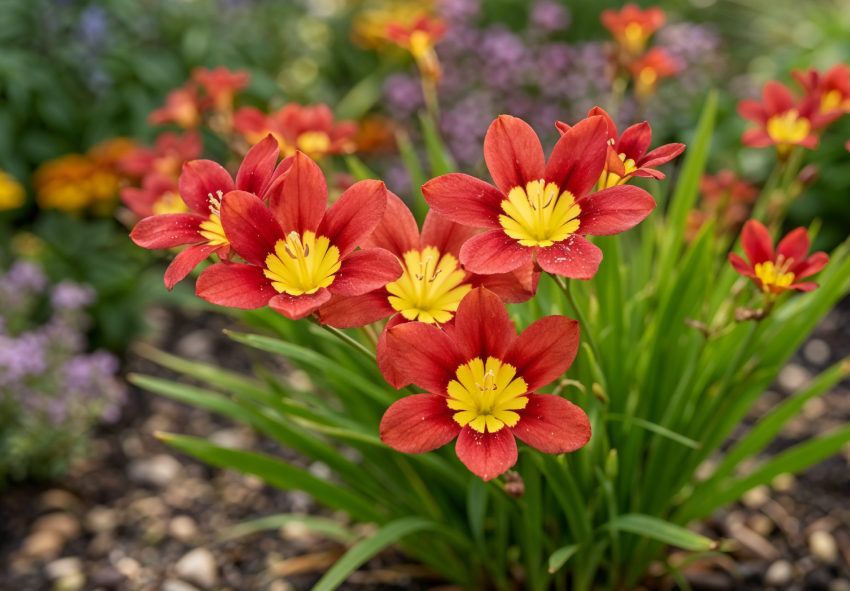
Sparaxis is a bulbous flowering plant native to South Africa, valued for its bright and decorative blooms. The flowers often feature contrasting colors such as red, orange, pink, purple, and white. These vibrant combinations make sparaxis a standout addition to spring gardens.
Gardeners appreciate sparaxis for its compact size and easy maintenance. The plants typically grow between 20 and 40 cm tall, making them perfect for borders and containers. Their neat growth habit also works well in mixed flower beds. Another reason sparaxis is popular is its ability to produce multiple flowers per stem. This creates a dense, colorful display that brightens any garden space.
Understanding Sparaxis Bulbs
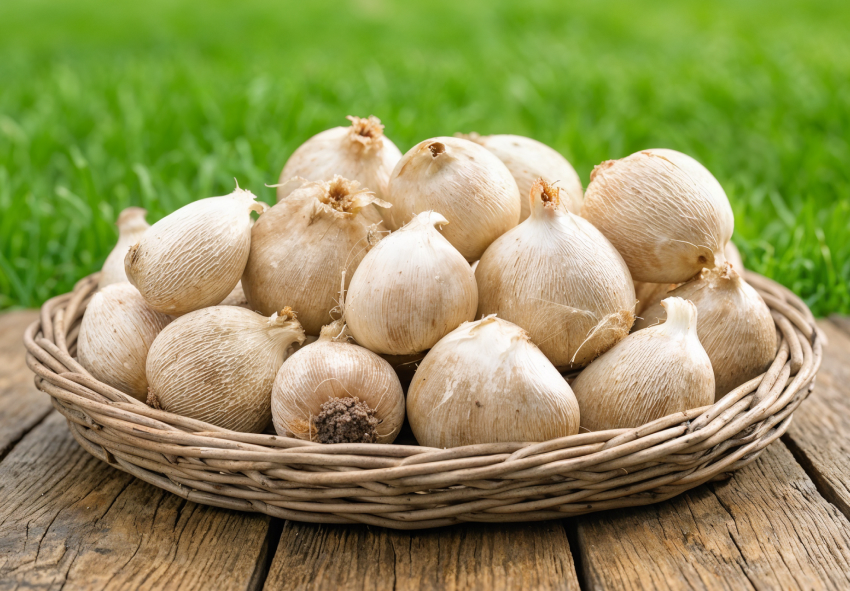
Sparaxis grows from small bulbs, often referred to as corms. These bulbs store nutrients that support plant growth and flowering. Healthy bulbs are essential for strong and reliable blooms.
Understanding how sparaxis bulbs grow helps gardeners plan planting schedules. These plants typically bloom in spring or early summer, depending on the climate. Proper planting timing ensures optimal flowering. Sparaxis bulbs also benefit from proper storage if not planted immediately. Keeping them dry and cool helps maintain their viability.
Types and Varieties of Sparaxis
There are several popular sparaxis varieties available for gardeners. Some produce mixed colors, while others feature single-toned blooms. These options allow gardeners to create different visual effects. Some varieties produce larger flowers, while others focus on compact growth. Choosing the right variety depends on garden style and available space.
Growth Cycle and Blooming Season
Sparaxis typically begins growing after planting in cool weather. The plants develop foliage first, followed by flower stems. Blooming usually occurs in late spring or early summer. After flowering, the foliage gradually dies back as the bulbs enter dormancy. This natural cycle allows bulbs to store energy for the next season. Proper care during this period supports future blooms. Understanding the growth cycle helps gardeners plan companion plantings. Other plants can fill spaces once sparaxis finishes blooming.
Climate and Hardiness Requirements
Sparaxis prefers mild climates with warm, sunny conditions. These bulbs grow best in regions with mild winters and dry summers. In colder climates, bulbs may require lifting and storage. Frost can damage sparaxis bulbs, so protection may be necessary in cooler areas. Planting in containers allows easier movement during cold weather. This flexibility helps maintain plant health. Warm temperatures encourage strong growth and better flowering. Choosing the right climate conditions improves success.
Choosing the Best Location for Sparaxis
Selecting the right planting location is essential for successful sparaxis growth. These plants require proper sunlight and well-drained soil to thrive. Poor placement can lead to weak growth and limited flowering.
Providing optimal conditions ensures strong stems and vibrant blooms, while suitable location supports long-term plant health. Follow these recommendations:
- Sunlight Requirements for Healthy Growth: Sparaxis grows best in full sun or light partial shade. At least six hours of sunlight daily promotes strong stems and vibrant flowers. Insufficient light may result in weak growth. Bright sunlight also enhances flower color intensity. Plants grown in sunny areas typically bloom more abundantly. Proper lighting is essential for best results. Avoid planting in heavily shaded locations. These areas reduce flowering potential.
- Soil Conditions and Drainage Needs: Well-drained soil is essential for sparaxis bulbs. Waterlogged soil can cause bulbs to rot before they begin growing. Sandy or loamy soil works best. Adding compost improves soil structure and fertility. This helps support healthy root development. Good drainage ensures long-term plant health. Raised beds are useful for improving drainage in heavy soils. These conditions reduce the risk of bulb damage.
- Planting Sparaxis in Garden Beds vs Containers: Sparaxis grows well in both garden beds and containers. Garden beds allow natural spreading and group planting. Containers offer flexibility and portability. Container planting is ideal for colder climates. Pots can be moved indoors during extreme weather. This protects bulbs from frost damage. Both options can produce excellent results with proper care. Choose based on available space and climate.
When to Plant Sparaxis Bulbs
Planting time plays an important role in sparaxis growth and flowering. The best planting season depends on climate conditions. Timing affects bloom quality and plant development. Planting at the correct time helps bulbs establish strong roots. This leads to better flowering in spring. Understanding seasonal timing improves results.
Best Planting Time by Climate Zone
In mild climates, sparaxis bulbs are typically planted in autumn. This allows roots to develop during cooler months. Flowers appear in spring. In colder regions, planting in early spring is recommended. This avoids frost damage to bulbs. Spring planting still produces beautiful blooms. Adjust planting times based on local weather conditions. Climate awareness improves success.
Spring vs Autumn Planting
Autumn planting allows earlier flowering in spring. Bulbs benefit from cooler temperatures and natural rainfall. This method is ideal for warm climates. Spring planting is suitable for colder areas. It prevents frost damage and encourages healthy growth. Blooms may appear slightly later. Both planting seasons can work well with proper care.
Preparing Bulbs Before Planting
Inspect bulbs before planting to ensure they are healthy. Remove any damaged or soft bulbs. Healthy bulbs produce better growth. Soaking bulbs briefly before planting can encourage faster rooting. This step is optional but helpful. Avoid soaking for too long. Proper preparation improves planting success.
How to Plant Sparaxis Step by Step
Planting sparaxis is simple when following basic steps. Proper planting depth and spacing are important for healthy growth. Careful preparation ensures better results.
Following a structured planting process helps avoid mistakes. This improves flowering and plant health. Preparation is key. These simple steps help beginners plant sparaxis successfully.
Preparing the Soil Before Planting
Loosen the soil before planting to improve drainage. Remove weeds and stones from the area. This creates a healthy environment. Adding compost improves soil fertility. Nutrient-rich soil supports growth. Good preparation ensures strong plants. Proper soil preparation is essential.
Planting Depth and Spacing Guidelines
Plant sparaxis bulbs about 5–8 cm deep. This protects them from temperature changes. Proper depth supports root growth. Space bulbs about 5–10 cm apart. This allows enough room for development. Crowding can reduce flowering. Correct spacing ensures healthy plants.
Watering After Planting
Water bulbs lightly after planting. This helps settle soil around roots. Avoid overwatering. Keep soil slightly moist during early growth. Excess moisture can damage bulbs. Balanced watering is important. Consistent care supports development.
Caring for Sparaxis After Planting
After planting, sparaxis requires minimal but consistent care. Proper watering and feeding encourage strong growth. Simple maintenance helps plants thrive.
Regular monitoring ensures healthy development. Early care supports better blooms. Consistent attention improves results. Good aftercare promotes long-lasting flowers.
Watering and Moisture Needs
Sparaxis prefers moderate watering. Soil should remain slightly moist but not wet. Overwatering can cause bulb rot. Reduce watering once flowering ends. This allows bulbs to enter dormancy. Proper watering supports healthy growth. Balanced moisture is essential.
Fertilizing for Better Flowering
Light feeding during growth improves flowering. Use balanced fertilizer for best results. Avoid excessive feeding. Too much fertilizer may reduce blooms. Moderate feeding encourages healthy plants. Proper nutrition improves color. Fertilizing supports flowering.
Supporting Healthy Growth
Remove faded flowers to encourage neat appearance. This helps plants focus energy on bulbs. Clean plants look more attractive. Monitor for signs of stress or poor growth. Adjust care if needed. Healthy plants produce better blooms. Simple maintenance ensures success.
Growing Sparaxis in Containers
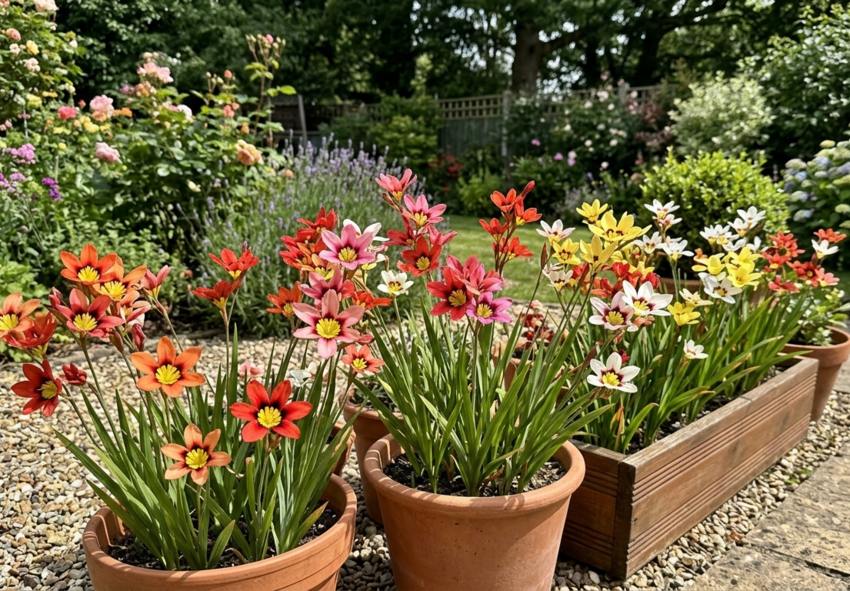
Growing sparaxis in containers is an excellent option for small gardens and patios. Containers allow flexibility and easy care. This method is also helpful in colder climates. Proper container selection improves growth. Good drainage is especially important. Container growing is convenient and effective. With proper care, container-grown sparaxis thrives:
- Choosing the Right Container: Select containers with drainage holes. This prevents water buildup. Proper drainage protects bulbs. Choose containers deep enough for root growth. Medium-sized pots work well. Good container size improves results. Proper containers support healthy plants.
- Soil Mix for Container Growing: Use light, well-drained potting mix. Avoid heavy garden soil. Good soil supports root growth. Add sand or perlite for drainage. This improves moisture balance. Proper soil mix is essential. Healthy soil promotes flowering.
- Container Care Tips: Place containers in sunny locations. Rotate pots for even growth. Sunlight improves blooming. Water carefully to avoid excess moisture. Monitor soil regularly. Proper care ensures success. Containers make sparaxis easy to grow.
Conclusion: Growing Sparaxis Successfully
Sparaxis is a beautiful and easy-to-grow flowering plant that adds vibrant color to spring gardens. With proper planting and care, these bulbs produce striking blooms that brighten borders, beds, and containers. Their compact size and bold colors make them a favorite choice for gardeners.
By selecting the right location, planting at the correct time, and providing basic care, you can enjoy healthy sparaxis plants. These flowers require minimal maintenance but deliver impressive results. Proper attention ensures strong growth and long-lasting blooms. With a little preparation and care, sparaxis can become a highlight of your seasonal garden displays.
Frequently Asked Questions (FAQs) about Planting Sparaxis
1. When is the best time to plant sparaxis bulbs?
The best time to plant sparaxis bulbs depends on your climate. In mild regions, plant them in autumn for spring blooms. In colder climates, plant sparaxis in early spring after the risk of frost has passed. Proper timing allows bulbs to establish strong roots and produce vibrant flowers during the growing season.
2. How deep should sparaxis bulbs be planted?
Sparaxis bulbs should typically be planted 5–8 cm deep and spaced about 5–10 cm apart. This depth protects bulbs from temperature fluctuations and supports healthy root growth. Proper spacing also ensures good air circulation and reduces competition between plants, helping sparaxis develop stronger stems and better flowering.
3. Do sparaxis flowers need full sun?
Yes, sparaxis grows best in full sun or light partial shade. At least six hours of sunlight daily encourages strong growth and abundant blooms. Insufficient light may lead to weak stems and fewer flowers. Planting sparaxis in a bright, sunny location helps achieve the most vibrant colors and healthy plants.
4. Can sparaxis be grown in containers?
Yes, sparaxis grows very well in containers. Choose pots with good drainage and use light, well-drained soil. Container growing is especially useful in colder climates because you can move plants indoors during frost. With proper watering and sunlight, container-grown sparaxis produces bright and healthy blooms.
5. Can I order sparaxis bulbs from your online store?
Yes, you can order high-quality sparaxis bulbs directly from our online store Dutch-bulbs.com. We offer carefully selected varieties known for vibrant colors and reliable flowering. Our bulbs are suitable for garden beds, borders, and containers, making it easy to create colorful spring displays with minimal effort.
Published: 07.04.2026