



Lupins are popular ornamental plants that combine impressive flowering with practical benefits for the garden. Originally native to North and South America as well as the Mediterranean region, these plants have become widely cultivated in gardens around the world. Gardeners appreciate lupins for their vibrant colors, easy maintenance, and ability to improve soil quality.
One of the most recognizable features of lupins is their tall flower spikes covered with dense clusters of colorful blossoms. The flowers can appear in shades of blue, purple, pink, white, yellow, and even multi-colored combinations. Their distinctive palmate leaves also add texture and structure to flower beds.
This guide is designed for private garden owners, summer cottage gardeners, and beginners who want to decorate their landscapes with spectacular but relatively low-maintenance plants. With proper planting and basic care, lupins can become a striking decorative element in any garden. Our gardening blog is a perfect place to find all the information you need!
Lupinus Planting Preparations
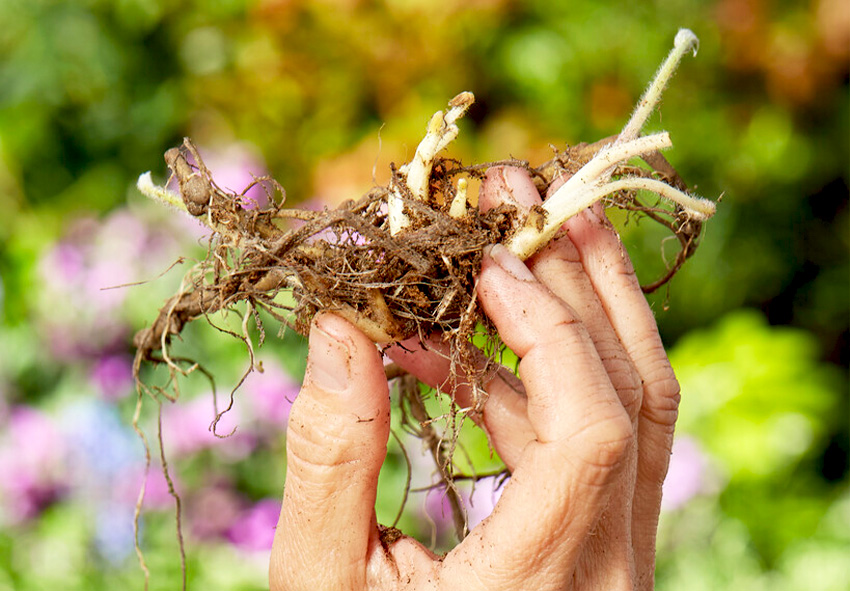
Successful lupin cultivation begins with selecting the right planting site. These plants develop best when they grow in well-lit areas with suitable soil conditions that allow their roots to expand freely. Following these instructions ensure healthy growth, strong stems, and abundant flowering throughout the season:
- Selecting the Best Garden Location for Lupins: Choosing the right planting location is essential for healthy lupin growth. These plants prefer open areas with good air circulation and sufficient space to develop their root systems. Lupins grow best when they are not crowded by other plants, allowing their tall stems and leaves to expand freely.
- Ideal Soil Conditions for Healthy Growth: Lupins prefer light, well-drained soil that does not retain excessive moisture. Sandy or slightly loamy soils are ideal for lupinus plants. Heavy clay soil can cause root problems, so improving drainage with compost or sand may be helpful before planting.
- Light Requirements for Strong Flowering: Sunlight plays an important role in lupin development. These plants thrive in full sun, where they receive at least six hours of direct light per day. Although lupins can tolerate partial shade, insufficient light may reduce the number of flowers and lead to weaker stems.
- Best Time to Plant Lupins in Spring or Autumn: Lupins can be planted either in early spring or in autumn. Spring planting allows plants to establish roots before the main growing season begins. Autumn planting is also effective in mild climates, giving seeds or young plants time to develop strong roots before winter dormancy.
Proper Planting of Lupins
Correct planting techniques play an important role in the successful growth of lupins. Preparing seeds properly and following basic sowing guidelines can significantly improve germination and early plant development. When planted at the correct depth and spacing, lupins establish strong root systems and grow into healthy flowering plants.
Preparing Lupin Seeds Before Planting
Lupin seeds have a relatively hard outer coating, which can slow down germination. To improve germination rates, many gardeners soak the seeds in warm water for 12–24 hours before planting. This simple preparation helps soften the seed coat and encourages faster sprouting.
How to Sow Lupin Seeds in Open Ground
Seeds can be sown directly into prepared garden soil. They are usually planted about 2–3 cm deep and lightly covered with soil. After planting, the soil should be watered gently to maintain consistent moisture during the germination period.
Propagating Lupins by Cuttings
Lupins can also be propagated vegetatively using basal cuttings taken in spring. Young shoots emerging from the base of the plant are carefully cut and rooted in moist soil. This method helps preserve the characteristics of specific varieties.
Correct Plant Spacing for Healthy Development
Proper spacing is important when planting lupins. Plants should generally be spaced 30–40 cm apart, depending on the variety. Adequate spacing allows good air circulation and ensures that each plant has enough room to grow strong stems and healthy foliage.
Caring for Lupins in the Garden
It is important to know how to care for lupus after planting to maintain healthy growth and attractive blooms. Proper watering, occasional feeding, and regular pruning help plants remain vigorous throughout the growing season. With minimal maintenance, lupins can provide long-lasting color and structure in garden landscapes.
Watering Requirements for Growing Lupins
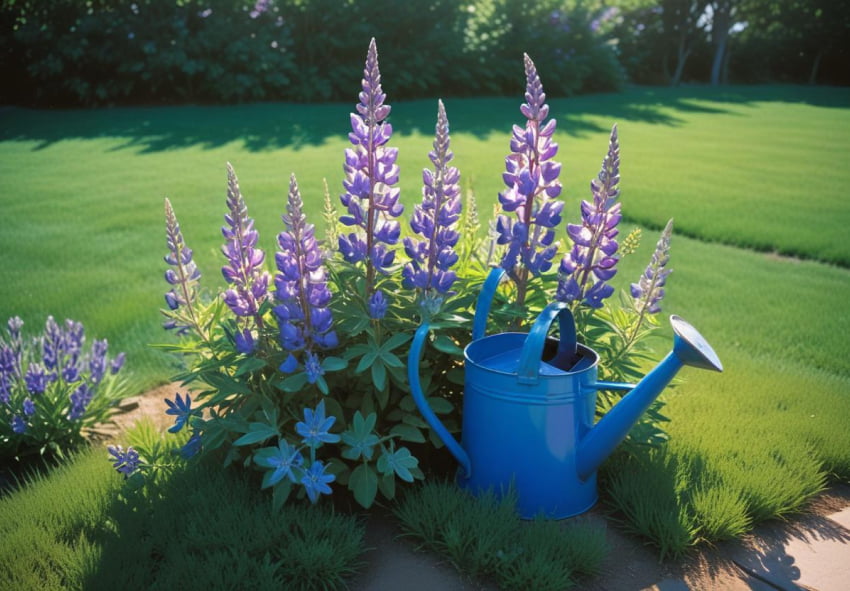
Lupins prefer moderate watering, especially during the early growth stages. The soil should remain slightly moist but not waterlogged. Once established, these plants are relatively tolerant of short dry periods.
Fertilizing Lupins for Strong Growth and Flowering
Unlike many ornamental plants, lupins usually require minimal fertilization. Excess nitrogen fertilizers can actually reduce flowering. A light application of balanced fertilizer in early spring is typically enough to support healthy growth.
Using Lupins as Green Manure to Improve Soil
Lupins belong to the legume family, which means they can fix nitrogen in the soil. This natural process improves soil fertility and benefits surrounding plants. For this reason, lupins are sometimes used as green manure in gardens and agricultural systems.
Pruning Lupins After Flowering
Removing faded flower spikes helps maintain the plant’s decorative appearance. Pruning can also encourage the development of additional flower stalks later in the season. Regular trimming prevents seed formation and promotes continued growth.
Preparing Lupins for Winter Conditions
In colder climates, lupins benefit from light winter protection. Cutting back the stems after flowering and applying mulch around the base helps protect the roots from frost. This preparation increases the chances of healthy regrowth in the following spring.
Popular Types and Varieties of Lupins
Modern ornamental lupins are available in a wide range of varieties that differ in height, color, and flowering intensity. Many of them belong to hybrid groups developed specifically for decorative gardening, offering strong stems and impressive flower spikes. Choosing several varieties with different colors helps create vibrant and dynamic flower beds.
Popular lupin varieties for gardens include:
- Lupin ‘Russell Hybrids’ – One of the most famous lupin groups, known for tall flower spikes and a wide palette of colors including blue, red, pink, yellow, and white.
- Lupin ‘Gallery Series’ – A compact variety ideal for smaller gardens, borders, and containers. These plants grow shorter but produce dense, colorful flower spikes.
- Lupin ‘The Governor’ – A striking variety with blue petals and contrasting white highlights, creating an elegant and eye-catching display.
- Lupin ‘My Castle’ – Recognized for its deep red flower spikes that stand out strongly in mixed garden compositions.
- Lupin ‘Chandelier’ – A bright yellow variety that adds warm color accents to flower beds and cottage-style gardens.
- Lupin ‘Polar Princess’ – A graceful white lupin that pairs beautifully with colorful varieties and adds balance to floral arrangements.
Decorative Hybrid Lupin Varieties
Modern ornamental lupins often belong to hybrid groups developed for garden use. These varieties have been bred to produce stronger stems, larger flowers, and a broader range of colors. Many hybrid lupins are part of the famous Russell lupin group, which offers vibrant shades including deep blue, bright red, soft pink, creamy white, and golden yellow. These varieties are especially popular for decorative flower beds.
Differences in Height, Flower Shape, and Color
Lupin varieties can differ significantly in size and appearance. Some compact types grow only about 50–60 cm tall, while larger varieties can reach heights of 100–120 cm or more. Flower spikes also vary in density and length. Certain varieties produce tall, tightly packed spikes, while others create softer, more open flower clusters.
Using Lupin Varieties in Flower Beds and Mixed Borders
Lupins are widely used in mixed borders, cottage gardens, and natural-style plantings. Their vertical flower spikes provide height and structure among lower-growing plants. They pair beautifully with flowers such as daisies, delphiniums, irises, and peonies. When planted in groups, lupins create dramatic color accents that attract attention from a distance.
Lupin Diseases and Pests
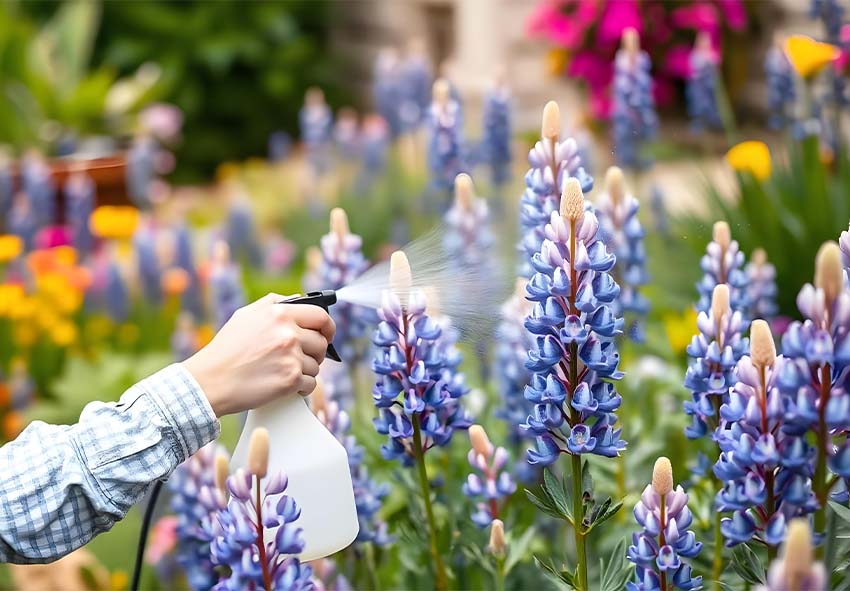
Like many garden plants, lupins can occasionally face problems caused by diseases or pests. Early recognition of these issues helps prevent serious damage to the plants. With proper preventive care and regular monitoring, gardeners can keep lupins healthy and reduce the risk of common growing problems.
Common Lupin Diseases and Their Symptoms
Lupins can sometimes be affected by fungal diseases such as powdery mildew or root rot. These problems often appear when plants grow in poorly drained soil or crowded conditions. Early symptoms include discolored leaves, weakened stems, or reduced flowering.
Pests That May Damage Lupin Plants
Several insects may feed on lupin leaves and stems. Aphids are among the most common pests, as they can gather on young shoots and flower buds. Slugs and snails may also damage young plants by feeding on tender foliage.
Preventive Care and Plant Protection Methods
Preventive care is the most effective way to protect lupins. Providing good air circulation, well-drained soil, and proper spacing helps reduce disease risks. Regular inspection of plants also allows gardeners to detect pest problems early and take appropriate action.
Conclusion: Growing Healthy and Beautiful Lupins
Lupins are beautiful, practical, and relatively undemanding plants that bring color and structure to garden landscapes. Their striking flower spikes and wide range of colors make them a favorite among gardeners.
By selecting the right planting location, preparing seeds properly, and following basic care practices, gardeners can grow strong and healthy plants. With minimal effort, lupins reward gardeners with vibrant blooms that enhance flower beds, borders, and natural garden compositions throughout the growing season.
Frequently Asked Questions (FAQs) about Planting Lupins
1. When is the best time to plant lupins?
The best time to plant lupins is in early spring or autumn. Spring planting allows seeds or young plants to establish before the main growing season, while autumn planting works well in mild climates where roots can develop before winter. Choosing the right season helps plants grow stronger and bloom more abundantly.
2. Do lupins prefer sun or shade?
Lupins grow best in full sun, where they receive at least six hours of direct sunlight daily. Adequate light encourages strong stems and vibrant flower spikes. Although they can tolerate partial shade, too little sunlight may result in weaker growth and fewer flowers, reducing the plant’s decorative effect in the garden.
3. How far apart should lupins be planted?
Lupins should generally be planted about 30–40 cm apart to give each plant enough room to grow. Proper spacing improves air circulation, reduces the risk of fungal diseases, and allows the plants to develop strong stems and large flower spikes without competing for nutrients and sunlight.
4. Are lupins good for improving soil quality?
Yes, lupins are beneficial for soil health because they belong to the legume family. Their roots can fix nitrogen from the air and add it to the soil, improving fertility. This natural process helps enrich the soil and can support the growth of other plants in the garden.
5. Can I order lupin plants from your online store?
Yes, you can order high-quality lupin plants from our online store Dutch-bulbs.com. We offer carefully selected varieties known for strong growth, vibrant flower spikes, and reliable garden performance. Our collection includes decorative lupins suitable for flower beds, borders, and cottage-style gardens.
Published: 13.03.2026