



Growing asparagus is one of the most rewarding gardening projects, especially for those who enjoy fresh, homegrown vegetables. As a perennial plant, asparagus can produce flavorful spears for 15–20 years with proper care, making it a long-term investment for your garden. While it requires patience in the beginning, the payoff is well worth the wait. With the right planting techniques and seasonal maintenance, anyone can learn how to grow asparagus successfully. Our gardening blog is a perfect place to find all the information you need!
Understanding Asparagus Plants
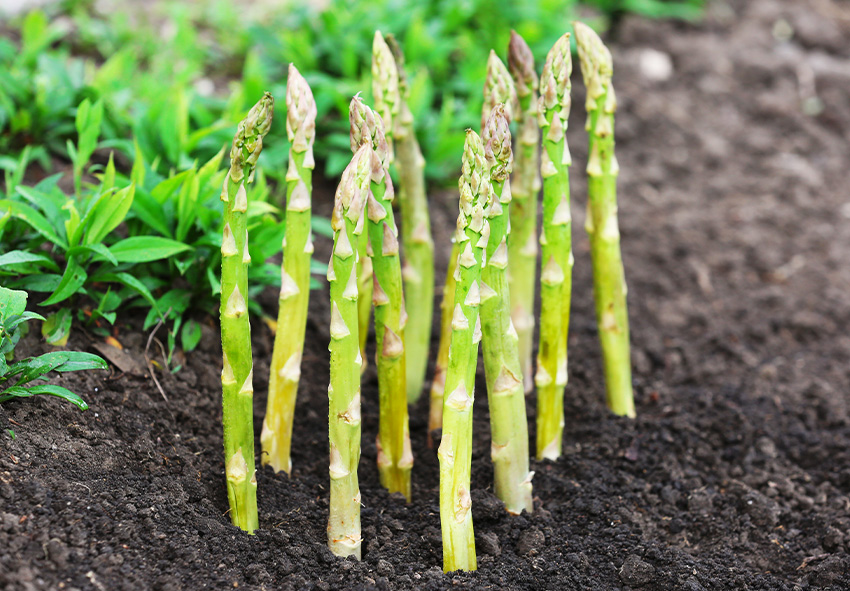
Asparagus is unique because it’s a perennial vegetable that grows stronger and more productive each year. Understanding the difference between crowns and seeds, as well as choosing the right variety, helps gardeners set up a healthy long-lasting asparagus patch. Below are the key things to know before you start planting.
Asparagus Crowns vs. Seeds
Asparagus crowns are one-year-old roots that allow you to start the growing process with a significant head start. Seeds require more time and patience, taking an additional year before they can be harvested. Most gardeners prefer crowns because they guarantee stronger, earlier production.
Popular Asparagus Varieties for Home Gardens
Choosing the right asparagus variety can have a big impact on your long-term harvest, flavor quality, and plant performance. Some varieties are known for their high yields, while others stand out for sweetness or cold resistance. Below is a list of the most reliable and popular options for home gardeners:
- Mary Washington: A classic, time-tested variety known for its dependable yields and rich, traditional asparagus flavor. It produces medium-thick green spears and adapts well to most climates, making it an excellent choice for beginners.
- Jersey Knight: Highly resistant to rust, fusarium, and crown rot, Jersey Knight is ideal for gardens with disease pressure. The spears are thick, tender, and flavorful, making it a favorite among home growers.
- Erasmus (Purple): The first purple male hybrid asparagus variety available, Erasmus is prized for its sweetness and high productivity. Its vibrant purple spears are tender and flavorful, performing exceptionally well in both cool and warm climates.
- Millennium: A modern hybrid celebrated for its excellent cold tolerance and high yields. Millennium performs consistently across different soil types and climates, making it one of the most reliable varieties for long-term production.
- Aspalim: A high-yielding male hybrid known for its straight, uniform, and very early spears. Aspalim is resistant to many common asparagus diseases and delivers excellent spear quality—ideal for gardeners looking for premium production.
- Jersey Giant: One of the most productive hybrid varieties, Jersey Giant offers thick spears and exceptional disease resistance. It thrives in cooler regions and matures earlier than many others, extending your harvest season.
- Backlim: A standout late-season variety that extends the harvest window. Backlim features thick, smooth spears and very strong disease resistance. It performs particularly well in cooler climates and is favored for its long-term vigor.
How Long Asparagus Takes to Mature
Asparagus requires two full seasons to mature when grown from crowns. While this may seem long, its productivity over decades makes the waiting period worthwhile. Once established, asparagus plants produce abundant spears each spring.
Choosing the Right Location for Asparagus
Asparagus grows best when planted in an area where it can stay undisturbed for many years. Since it spreads and forms deep roots, choosing the right site is crucial. A sunny, well-draining area ensures strong spear production.
Sunlight and Temperature Requirements
Asparagus thrives in full sun, receiving at least –8 hours of direct light daily. It prefers moderate climates but can tolerate cold winters once fully established. Proper sunlight leads to thicker, sweeter spears.
Soil Type and pH Levels
Loamy, well-drained soil with a pH between 6.5 and 7.0 is ideal for asparagus planting. Heavy clay soils should be amended with compost or sand to improve drainage. Poor drainage can cause root rot and hinder spear growth.
Best Companion Plants for Asparagus
Good companion plants include tomatoes, marigolds, and basil, which can help repel pests. Avoid planting onions or garlic nearby, since they may compete for nutrients. Mulching between rows supports weed control.
How to Plant Asparagus
Planting asparagus correctly ensures a productive patch for many years. Whether you’re using crowns or seeds, preparing the soil and planting depth are key. Follow these simple steps to establish a healthy asparagus bed:
- Preparing the Planting Bed: Start by clearing weeds and loosening the soil 12–15 inches deep. Add compost or aged manure to enrich nutrient levels. Because asparagus prefers long-term stability, choose a raised bed if your soil drains poorly.
- Planting Asparagus Crowns Step by Step: Dig trenches about 6–8 inches deep and 12 inches wide. Place the crowns on small mounds of soil with roots spread out. Cover with 2 inches of soil, then gradually fill the trench as the plants grow.
- Planting Asparagus Seeds: What to Expect: Growing asparagus from seed requires a full extra year before harvest. Start seeds indoors in early spring, then transplant seedlings once they are strong enough. Although slower, this method provides more variety choices.
- Watering and Mulching After Planting: Water thoroughly after planting, ensuring the soil stays moist — not soggy. Apply mulch to help retain moisture and suppress weeds. Consistent watering is especially crucial during the first growing season.
Asparagus Care Throughout the Seasons
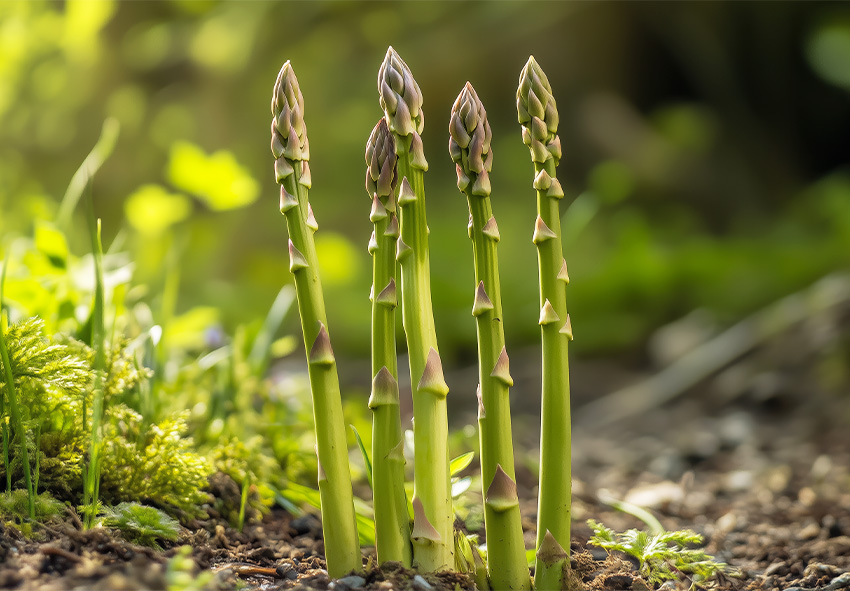
Once your plants are established, seasonal asparagus care ensures continuous growth and productivity. Each season plays a role in maintaining strong roots and healthy fern development. Proper care helps maximize spear size and yield.
Watering Requirements for Young and Mature Plants
Young asparagus plants need regular watering during the first two seasons to encourage deep root development. Mature plants are more drought-tolerant but still benefit from 1 inch of water per week during the growing season. Avoid overwatering to prevent root rot.
Fertilizing Asparagus Beds
Fertilize in early spring with a balanced, slow-release fertilizer. Adding compost or aged manure each fall helps replenish nutrients naturally. Avoid high-nitrogen fertilizers, which can encourage excessive fern growth rather than spear production.
Weed Control and Mulching Techniques
Weeds compete with asparagus for nutrients and water. Keep beds weed-free, especially in the first two years. Mulch heavily with straw or shredded leaves to suppress weed growth and regulate soil temperature.
Harvesting Asparagus Properly
Harvesting asparagus at the right time is essential for ensuring vigorous growth in future years. Beginners should resist harvesting too early, allowing the plants to strengthen. Once mature, asparagus provides a delicious spring harvest for 6–8 weeks.
When to Start Harvesting
Do not harvest asparagus during the first year after planting crowns. In the second year, harvest lightly for two weeks. By the third year, you can enjoy a full harvest season.
How to Cut Asparagus Spears
Harvest spears when they reach 6–8 inches tall. Use a sharp knife or snap them off at ground level. Regular harvesting encourages more spears to grow.
Extending the Harvest Season
To extend your asparagus harvest, pick spears daily once the season begins. Allow thinner spears to grow into ferns to support future production. Stop harvesting when the spears become noticeably thinner.
Common Asparagus Problems and Solutions
Like all garden plants, asparagus can face pests and diseases. Identifying issues early helps maintain a healthy patch. Most problems can be managed through preventive care.
Asparagus Beetles
These pests chew on spears and ferns, causing plant stress. Hand-pick beetles and use neem oil if necessary. Keeping beds clean reduces overwintering beetles.
Fungal Diseases
Common diseases include rust and root rot. Provide good air circulation and avoid overhead watering. Remove diseased plant material promptly.
Poor Spear Production Causes
Low yields often result from overcrowding, poor soil fertility, or harvesting too aggressively. Replenish nutrients and allow plants to rest between seasons. Dividing old crowns can also boost performance.
Long-Term Maintenance of an Asparagus Patch
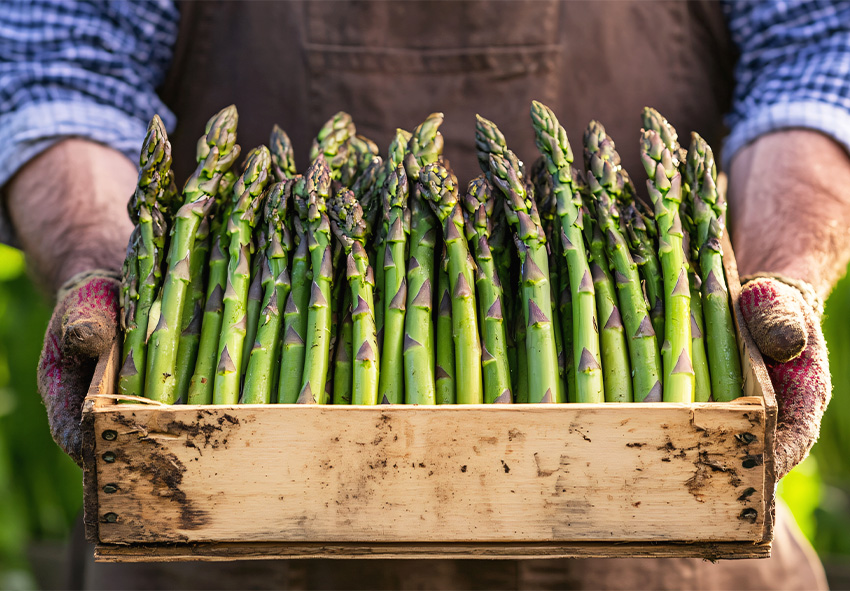
Caring for asparagus long-term ensures decades of production. Seasonal tasks like cutting back ferns and enriching the soil help maintain strong plants. With proper maintenance, asparagus remains one of the easiest perennial vegetables to grow:
- Cutting Back Ferns in Fall: Allow ferns to turn yellow before cutting them back. This ensures the plant has stored enough energy for next year. Dispose of fern debris to prevent pest problems.
- Replenishing Soil Nutrients: Top-dress the bed with compost or manure each fall. This slow-release nutrient addition keeps soil rich and fertile. Over time, this improves spear thickness and yield.
- Dividing and Replanting Older Crowns: Older patches may become crowded after 8–10 years. Dig up and divide crowns, then replant them in refreshed soil. This rejuvenates the entire asparagus bed.
Final Tips for Growing Asparagus Successfully
Growing asparagus may require patience early on, but the long-term rewards are exceptional. With proper planting, watering, and seasonal maintenance, you can enjoy fresh asparagus year after year. Follow these tips to create a thriving, productive asparagus garden!
Frequently Asked Questions (FAQs) about Growing Asparagus
1. How long does it take for asparagus to grow before you can harvest it?
Asparagus typically takes two to three years before it’s ready for full harvesting. If you plant asparagus crowns, you can expect to wait two seasons, while seeds require an extra year. Although this timeline may seem long, established asparagus beds will produce generous harvests every spring for 15–20 years.
2. What is the best time of year to plant asparagus crowns?
The ideal time to plant asparagus crowns is early spring, as soon as the soil can be worked. Cool temperatures help the crowns establish strong roots before summer heat arrives. Planting early gives your asparagus a full growing season to develop, which leads to healthier, more productive plants in future years.
3. How often should asparagus be watered during the growing season?
Young asparagus plants need consistent watering — about 1–1.5 inches per week — to develop deep, healthy roots. Mature plants are more drought-tolerant but still benefit from regular moisture. Avoid waterlogged soil, which can lead to root rot. Mulching around the plants helps retain moisture and reduces the need for frequent watering.
4. Can I order asparagus plants from your online store?
Yes, you can order herbs from our online store Dutch-bulbs.com. We offer a curated selection of asparagus varieties suitable for seasonal planting. Shopping online allows you to conveniently browse through our collection, read detailed care instructions, and have the plants delivered to your doorstep.
5. How do I deal with asparagus beetles in my garden?
Asparagus beetles can damage both spears and ferns, reducing plant vigor. Hand-picking beetles early in the season is effective, and neem oil can help control larger populations. Keeping the garden free of old plant debris reduces overwintering beetles. Healthy, well-maintained asparagus beds recover quickly from minor pest damage.
Published: 09.01.2026