



Peonies are long-lived perennials that can thrive for decades, but even these hardy plants benefit from occasional division and transplanting. Knowing how to divide peonies correctly helps rejuvenate overcrowded plants, improve flowering, and give you new peony plants to expand your garden. With the right timing and technique, peony root division is a straightforward process that supports long-term plant health. Our gardening blog is a perfect place to find all the information you need!
Introduction to Dividing and Transplanting Peonies
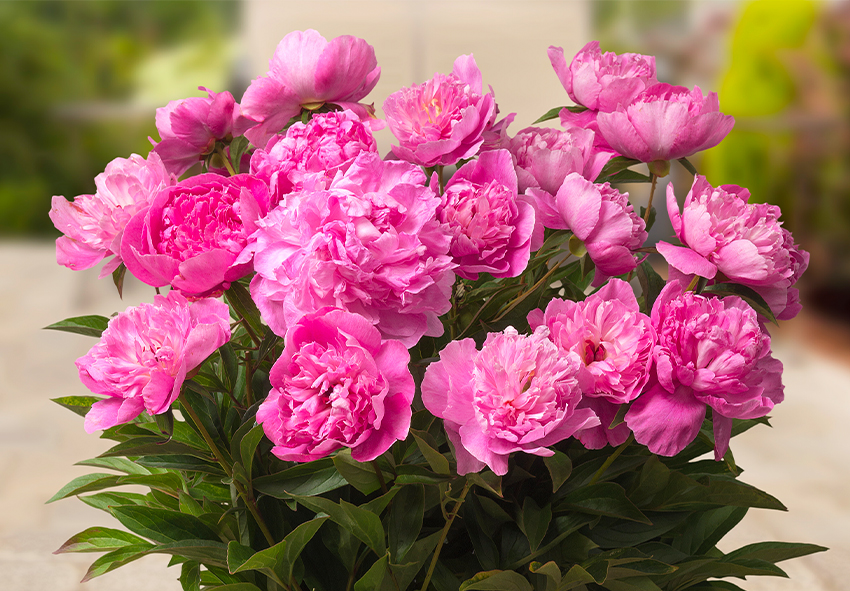
Dividing and transplanting peonies is an important part of proper peony plant care. While peonies dislike frequent disturbance, division becomes necessary when plants are overcrowded or flowering declines. Understanding why and when to divide peonies helps ensure a smooth transition and strong future blooms.
Why Peonies Benefit from Division
Over time, peony clumps become dense, competing for nutrients and space. Division reduces overcrowding and encourages healthier root systems. It also allows gardeners to propagate new plants without purchasing additional roots.
When Dividing Peonies Becomes Necessary
Peonies may need division if they produce fewer flowers, develop weak stems, or outgrow their space. Mature clumps often benefit from division every 10–15 years. Moving peonies during garden redesigns is another common reason.
What to Expect After Transplanting
Transplanted peonies may take time to re-establish. It is normal for plants to focus on root growth rather than flowering initially. With proper care, blooms return stronger in later seasons.
Best Time to Divide and Transplant Peonies
Timing is critical for successful peony root division. Dividing peonies at the right moment minimizes stress and improves survival. Fall is widely considered the best season for this task.
Why Fall Is Ideal for Peony Division
Early fall allows peonies to develop roots before winter dormancy. Cooler temperatures reduce stress on newly divided roots. This timing also aligns with the plant’s natural growth cycle.
Climate Considerations and Timing by Region
In colder regions, divide peonies in early fall to allow sufficient root establishment. In milder climates, division can extend into mid-fall. Avoid spring division, as it often delays blooming.
Signs Your Peonies Are Ready to Be Divided
Crowded growth, declining bloom size, and poor air circulation indicate it may be time to divide peonies. Healthy but overcrowded plants respond well to careful division.
Tools and Materials Needed for Peony Division
Using the right tools makes dividing peonies easier and safer for the plant. Clean equipment reduces disease risk. Preparation helps ensure a smooth transplant process.
Essential Garden Tools for Dividing Peonies
A sharp spade, garden fork, and clean knife are essential. Gloves protect hands, and a hose helps wash soil from roots. Clean tools prevent infection.
Soil Amendments and Planting Supplies
Compost or well-rotted organic matter improves soil quality. Peonies prefer nutrient-rich, well-drained soil. Mulch helps protect newly transplanted roots.
Preparing the New Planting Location
Choose a sunny location with good drainage. Loosen the soil deeply before planting peonies. Proper site preparation supports healthy root growth.
How to Divide Peonies Step by Step
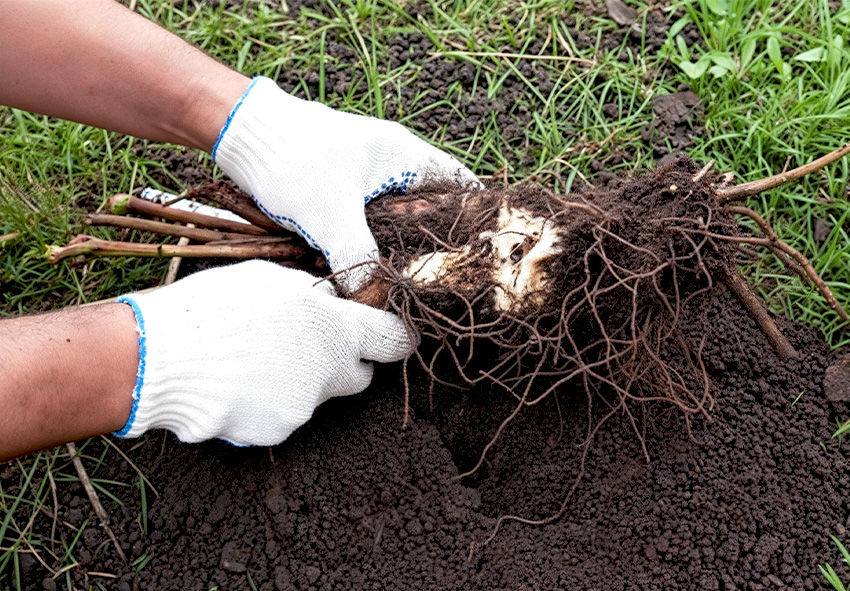
Careful handling is key when dividing peonies. Rushing the process can damage roots. Following a step-by-step approach ensures success:
- Digging Up the Peony Root Clump Safely: Dig wide around the plant to avoid cutting roots. Lift the clump gently from the soil. Shake off excess dirt carefully.
- Cleaning and Inspecting Peony Roots: Rinse roots with water to reveal structure. Inspect for rot or damage. Healthy roots are firm and light-colored.
- Proper Peony Root Division Techniques: Use a clean knife to separate the clump into sections. Each division should have several healthy roots. Avoid overly small divisions.
- Identifying Healthy Eyes and Root Sections: Each division must contain 3–5 visible eyes. These buds produce future growth. Too few eyes can delay blooming.
Common Mistakes When Dividing Peonies
Many problems result from avoidable errors. Awareness helps gardeners succeed. Proper technique prevents long-term setbacks.
Planting Peonies Too Deep
Deep planting is the most common mistake. It leads to healthy foliage but no flowers. Always check planting depth carefully.
Dividing Peonies at the Wrong Time
Spring division stresses plants and delays blooms. Fall division aligns with natural growth cycles. Timing greatly affects success.
Overwatering or Poor Drainage
Waterlogged soil causes root rot. Peonies prefer consistent moisture with good drainage. Adjust soil conditions if needed.
Can You Divide Different Types of Peonies?
Not all peonies are divided the same way. Understanding plant type prevents damage. Each type has unique considerations:
- Dividing Herbaceous Peonies: Herbaceous peonies divide easily and respond well to fall division. They are the most common garden type. Follow standard root division methods.
- Transplanting Tree Peonies: Tree peonies are not typically divided. They have woody stems and grafted roots. Transplant only when necessary.
- Special Considerations for Itoh Peonies: Itoh peonies can be divided, but roots are dense. Use sharp tools and care. Division may take more effort.
How Long Peonies Take to Bloom After Division
Patience is required after peony root division. Blooming is not immediate. Understanding the timeline helps manage expectations.
What Happens in the First Year
The first year focuses on root growth. Flowers may be few or absent. This is normal and temporary.
Bloom Expectations in Years Two and Three
Blooms usually return in the second or third year. Flower size and quantity improve gradually. Healthy plants reward patience.
Tips for Encouraging Faster Blooming
Ensure proper planting depth and sunlight. Avoid excessive nitrogen. Healthy roots lead to stronger blooms.
How to Transplant Peonies Successfully
Transplanting peonies correctly ensures strong regrowth. Proper depth and spacing are essential. Small mistakes can affect flowering for years:
- Choosing the Right Planting Site: Peonies thrive in full sun with good air circulation. Avoid areas with standing water. Stable locations reduce future transplant needs.
- Correct Planting Depth for Peonies: Plant eyes 1–2 inches below the soil surface. Planting too deep is a common mistake that prevents flowering. Shallow planting encourages blooms.
- Spacing Guidelines for Transplanted Peonies: Space peonies 3–4 feet apart. Adequate spacing prevents overcrowding. Good airflow reduces disease risk.
Post-Transplant Peony Care
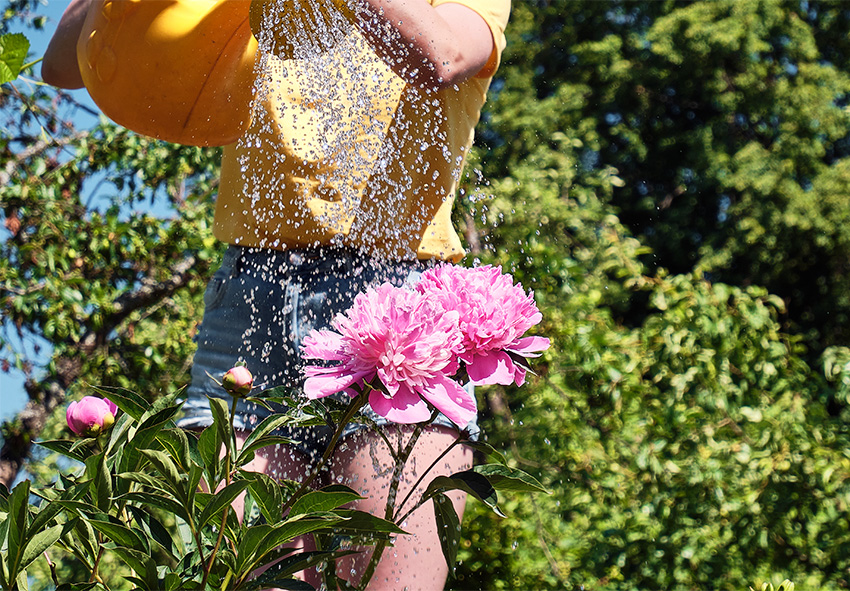
After transplanting peonies, proper aftercare supports root establishment. Simple steps make a big difference. Patience is essential during this phase.
Watering and Mulching After Transplanting
Water thoroughly after planting to settle soil. Apply light mulch to regulate temperature. Avoid heavy mulch directly over crowns.
Fertilizing Newly Transplanted Peonies
Avoid heavy fertilizing in the first year. Compost is usually sufficient. Excess fertilizer encourages foliage instead of roots.
Supporting Root Establishment and Growth
Keep soil consistently moist but not soggy. Remove competing weeds. Allow plants to focus on root development.
Conclusion
Learning how to divide and transplant peonies is an essential skill for maintaining healthy, long-lived plants. With proper timing, careful peony root division, and attentive aftercare, gardeners can rejuvenate old clumps and enjoy stronger blooms for years to come. Dividing peonies not only improves plant performance but also allows you to expand your garden with confidence and success.
Frequently Asked Questions (FAQs) about Dividing Peonies
1. When is the best time to divide peonies?
The best time to divide peonies is in early fall, when the plant has finished blooming and begins preparing for dormancy. Cooler temperatures reduce stress, and roots have time to establish before winter. Fall division results in healthier transplants and better long-term flowering performance.
2. Can I order peony roots from your online plant store?
Yes, you can order high-quality peony roots directly from our online store Dutch-bulbs.com. We offer carefully selected varieties suitable for different garden conditions, along with detailed planting instructions to help ensure successful division, transplanting, and long-term blooming in your garden.
3. How often should peonies be divided?
Peonies do not require frequent division and can thrive for many years in the same location. Most peonies only need dividing every 10–15 years, or when flowering declines. Dividing too often can weaken plants and delay blooming, so it should be done only when necessary.
4. Why aren’t my peonies blooming after being transplanted?
After transplanting peonies, it is normal for plants to focus on root development rather than flowering. Improper planting depth, especially planting too deep, can also prevent blooms. With correct placement and care, flowering usually returns within two to three growing seasons.
5. Can I divide and transplant peonies in spring?
Spring is not ideal for dividing peonies, as plants are actively growing and more susceptible to stress. Spring division often delays flowering and reduces plant vigor. Fall division aligns better with the peony’s natural growth cycle and leads to stronger, healthier plants.
Published: 27.02.2026