



Gardening in cold climates can be challenging, but it doesn’t mean you have to sacrifice beauty or variety. Many hardy perennials are naturally adapted to survive freezing temperatures, snow cover, and short growing seasons. By choosing the right perennials for cold climates, you can build a resilient, low-maintenance garden that returns stronger every year. Our gardening blog is a perfect place to find all the information you need!
Introduction to Hardy Perennials for Cold Climates
Hardy perennials are plants that survive winter and regrow each spring without replanting. These cold climate plants are ideal for gardeners dealing with frost, long winters, and fluctuating temperatures. Selecting reliable perennials reduces maintenance while ensuring consistent color and structure in the landscape.
What Makes a Perennial Cold Hardy
Cold-hardy perennials tolerate freezing temperatures by going dormant underground. Their root systems are protected by soil and snow cover. Many also have flexible growth habits that adapt to harsh conditions.
Why Perennials Are Ideal for Cold Climate Gardens
Perennials for cold climates offer long-term value and reliability. Once established, they require less watering and fertilizing. They also adapt well to seasonal changes.
Benefits of Growing Long-Lived Plants in Harsh Winters
Hardy perennials reduce yearly planting costs and effort. They stabilize soil and improve garden structure. Over time, many become stronger and more resilient.
Key Factors When Choosing Cold Climate Perennials
Not all perennials perform equally in cold regions. Understanding environmental factors helps ensure plant survival. Proper selection leads to healthier, longer-lasting gardens.
Understanding Hardiness Zones
Hardiness zones indicate minimum winter temperatures a plant can survive. Choosing plants rated for your zone is essential. Zone-appropriate plants experience less winter stress.
Soil, Drainage, and Winter Survival
Well-drained soil prevents root rot during freeze-thaw cycles. Heavy, wet soil is a common cause of winter loss. Amending soil improves survival rates.
Snow Cover, Frost, and Plant Protection
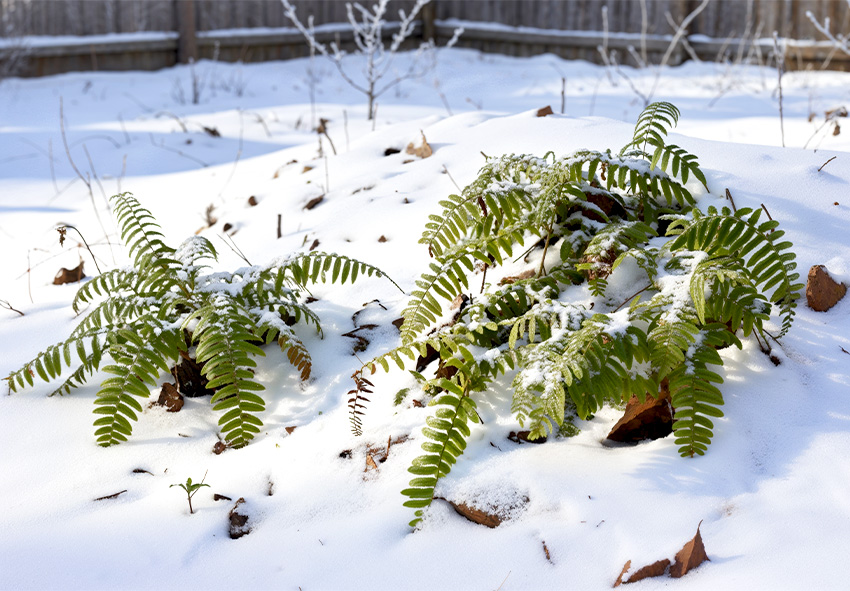
Snow acts as insulation for plant roots. Exposed soil increases frost damage. Mulch mimics natural snow protection when needed.
Shade-Loving Hardy Perennials
Shade gardens in cold climates can be lush and vibrant when planted with the right hardy perennials. Many shade-loving plants thrive in cooler temperatures and return reliably each year. These perennials are especially well suited for woodland gardens, shaded borders, and north-facing areas.
Hostas for Cold and Shaded Areas
Hostas are classic hardy perennials valued for their decorative foliage and strong cold tolerance. They grow well in partial to full shade and come in a wide range of sizes, shapes, and colors, making them highly versatile for shaded landscapes. For best results, plant hostas in rich, well-drained soil and water during extended dry periods. Basic protection from slugs and deer helps maintain healthy foliage.
Why hostas work well:
- Extremely cold hardy and long-lived
- Thrive in partial to full shade
- Available in many sizes and colors
Ferns as Reliable Woodland Perennials
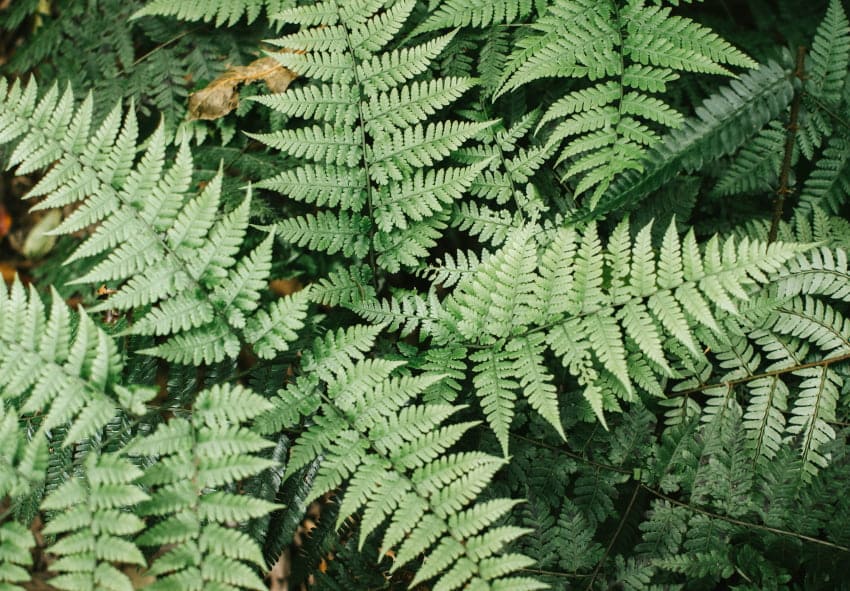
Ferns add soft texture and natural movement to cold climate shade gardens. These plants are naturally adapted to cool, moist environments and perform especially well in woodland settings. Once established, ferns require very little maintenance and return consistently each year. They prefer consistent moisture, protection from direct sun, and benefit from leaving fronds in place over winter for added insulation.
Why ferns are dependable:
- Naturally adapted to cool environments
- Excellent for woodland gardens
- Low maintenance once established
Astilbe for Color in Cool, Moist Gardens
Astilbe brings bright color and elegant flower plumes to shaded areas where many plants struggle. It tolerates cold winters well and blooms reliably in partial shade, adding seasonal interest to cooler gardens. Astilbe performs best in evenly moist soil and benefits from mulching to retain moisture. Cutting back spent flowers helps keep plants tidy and healthy.
Why astilbe thrives:
- Tolerates cold winters well
- Blooms reliably in shade
- Adds seasonal color
Sun-Loving Hardy Perennials
Sunny gardens in cold climates benefit from tough, resilient plants that tolerate both freezing winters and warm summers. These sun-loving perennials are ideal for exposed areas and require minimal ongoing care once established. Their durability makes them excellent choices for low-maintenance landscapes.
Sedum for Cold and Dry Conditions
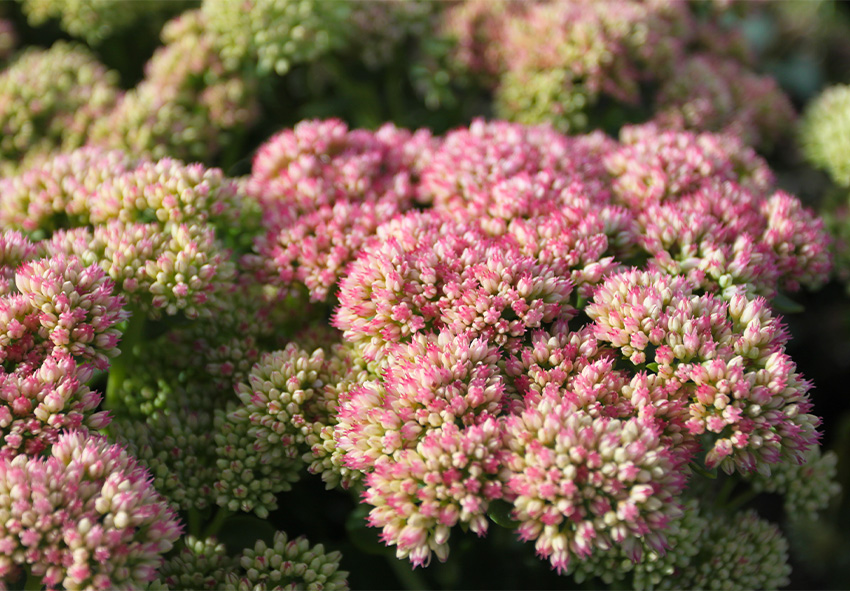
Sedum is one of the most dependable low-maintenance perennials for cold climates. It thrives in full sun and poor, well-drained soil, making it ideal for dry or exposed garden areas. Sedum requires very little watering and should not be overwatered. Leaving seed heads in place through winter adds structure and visual interest.
Why sedum is ideal:
- Extremely cold hardy
- Thrives in poor, dry soil
- Attractive year-round structure
Coneflowers (Echinacea) for Tough Winters
Coneflowers are resilient, long-blooming perennials that handle cold winters with ease. Their deep root systems help them survive freezing temperatures and periods of drought. Coneflowers perform best in full sun and benefit from deadheading to extend flowering. Leaving seed heads intact provides food for birds and winter interest.
Why coneflowers perform well:
- Deep roots survive freezing temperatures
- Long bloom period
- Resistant to drought
Black-Eyed Susan (Rudbeckia) as a Cold-Resistant Option
Black-eyed Susan adds bold, long-lasting color to cold climate gardens with minimal effort. It adapts well to various soil types and tolerates both heat and cold. This plant prefers full sun and average watering. Cutting back old growth in early spring encourages healthy new growth.
Why rudbeckia works:
- Very adaptable to cold climates
- Long summer bloom
- Low maintenance
Groundcovers and Structural Perennials for Cold Regions
Groundcovers and structural perennials play an important role in cold climate gardens by providing stability, seasonal interest, and long-term coverage. These plants help reduce soil erosion, fill empty spaces, and maintain visual balance throughout the growing season. Many groundcovers and structural plants are exceptionally durable and well suited to harsh winters.
Creeping Phlox for Early Spring Color
Creeping phlox is a cold-hardy groundcover known for its vibrant early spring blooms. It spreads low across the soil surface, creating colorful mats that brighten garden beds and slopes. Creeping phlox performs best in full sun and well-drained soil, which helps prevent winter damage. Light trimming after flowering encourages compact growth and healthy plants.
Why creeping phlox excels:
- Cold hardy groundcover
- Early spring flowering
- Low spreading habit
Daylilies as Durable Cold Climate Plants
Daylilies are among the toughest and most adaptable perennials for cold regions. They survive extreme winter temperatures and perform well in a wide range of soil conditions. Daylilies grow in both full sun and partial shade and require very little fertilizing. Dividing clumps every few years helps maintain strong flowering and overall plant health.
Why daylilies are reliable:
- Survive extreme cold
- Adapt to many soils
- Long-lived plants
Planting Hardy Perennials in Cold Climates
Proper planting ensures winter survival. Timing and preparation matter greatly in cold regions. Good planting practices reduce plant stress.
Best Planting Times for Cold Regions
Spring and early fall are ideal planting times. Roots establish before extreme temperatures. Avoid planting too late in fall.
Preparing Soil for Winter Resilience
Loosen soil and improve drainage before planting. Compost improves insulation and nutrition. Healthy soil protects roots.
Proper Spacing and Root Establishment
Adequate spacing allows airflow and root growth. Crowded plants suffer more winter damage. Proper spacing improves longevity.
Caring for Hardy Perennials Through Winter
Winter care is simple but important. Small steps protect plants from extreme conditions. Proper care ensures strong spring regrowth.
Mulching and Insulation Techniques
Mulch stabilizes soil temperature. Apply after ground freezes. Avoid piling mulch against stems.
Watering and Fall Preparation
Water deeply before the ground freezes. Moist soil protects roots. Stop fertilizing late in the season.
Protecting Plants from Freeze-Thaw Cycles
Freeze-thaw cycles damage roots. Mulch reduces temperature swings. Snow cover is beneficial when available.
Conclusion
Hardy perennials for cold climates offer beauty, reliability, and low maintenance year after year. By choosing plants like hostas, ferns, sedum, and other cold-hardy favorites, gardeners can enjoy resilient landscapes even in harsh winters. With smart selection and simple care, a thriving cold climate garden is well within reach.
Frequently Asked Questions (FAQs) about Hardy Perennials
1. What are the best hardy perennials for cold climates?
Some of the best hardy perennials for cold climates include hostas, ferns, sedum, daylilies, creeping phlox, coneflowers, astilbe, and black-eyed Susan. These plants tolerate freezing temperatures, return reliably each year, and require minimal maintenance once established, making them ideal for colder regions.
2. Can I order hardy perennials from your online plant store?
Yes, you can order hardy perennials such as hostas, sedum, and other cold climate plants directly from our online store Dutch-bulbs.com. We offer carefully selected varieties suited for colder regions, along with planting guidance to help ensure long-term success in your garden.
3. How do hardy perennials survive harsh winter conditions?
Hardy perennials survive winter by entering dormancy, allowing their roots to remain protected underground. Snow cover and mulch act as insulation, reducing temperature fluctuations. Many cold climate plants also have deep or fibrous root systems that help them withstand freezing and thawing cycles.
4. When is the best time to plant perennials in cold climates?
Spring and early fall are the best times to plant perennials for cold climates. Planting during these periods allows roots to establish before extreme heat or freezing temperatures occur. Avoid late fall planting, as roots may not develop enough before winter arrives.
5. Do cold-hardy perennials need special winter care?
Most cold-hardy perennials require minimal winter care. Applying mulch after the ground freezes helps protect roots from temperature swings. Avoid excessive watering in fall, and leave foliage in place until spring to provide natural insulation and improve winter survival.
Published: 10.02.2026