



Garden lighting plays a vital role in shaping how outdoor areas look and feel after sunset. Well-planned outdoor garden lighting not only improves visibility and safety but also adds atmosphere and character to your garden. For an online plant store blog, garden lighting design is especially important because it helps showcase plants, textures, and layouts in a whole new light — literally. Our gardening blog is a perfect place to find all the information you need!
What Is Garden Lighting and Why It Matters
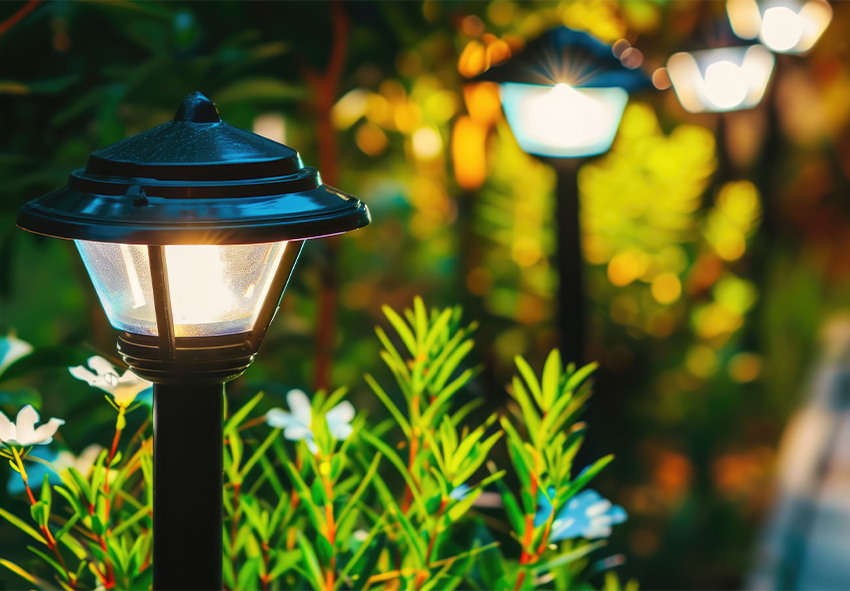
Garden lighting refers to the use of outdoor light fixtures to illuminate pathways, plants, seating areas, and decorative features. It improves safety by reducing dark spots while making outdoor areas more usable at night. Beyond practicality, thoughtful lighting can transform a simple garden into a welcoming and stylish space.
How Outdoor Lighting Enhances Garden Aesthetics
Strategic lighting highlights the shapes, colors, and movement of plants after dark. Shadows and soft glows create depth, turning ordinary greenery into visual focal points. This approach is a core element of effective landscape lighting design.
Core Principles of Garden Lighting for Outdoor Areas
Successful garden lighting design starts with a few essential principles that balance beauty, function, and sustainability. Understanding these basics helps you avoid harsh lighting and create a comfortable outdoor environment. These principles also guide plant-friendly lighting choices.
Combining Functionality with Visual Appeal
Lighting should first serve a purpose, such as illuminating paths or entrances, while still enhancing the garden’s style. Functional areas benefit from brighter lighting, while decorative zones work best with softer tones. The key is to layer different lighting types.
Understanding Light Intensity and Color Temperature
Warm light creates a cozy, natural feel that complements plants and wood features. Cooler tones work better for modern designs or security-focused areas. Choosing the right intensity prevents glare and keeps the garden visually balanced.
Energy-Efficient and Eco-Friendly Lighting Choices
LED and solar-powered lights reduce energy use and long-term costs. They are ideal for gardeners who want sustainable solutions without sacrificing style. Eco-friendly lighting is increasingly popular in outdoor garden lighting projects.
Types of Garden Lighting for Outdoor Spaces
Different areas of a garden require different lighting solutions. Knowing the main types helps you design a flexible and effective lighting plan. Each type serves a unique role in overall landscape lighting design:
- Pathway and Step Lighting for Safety: Garden lights for pathways guide movement and reduce the risk of trips and falls. Low-level lights placed along edges provide visibility without overpowering the space. They are both practical and visually appealing.
- Accent Lighting to Highlight Plants and Features: Accent lights draw attention to trees, shrubs, sculptures, or planters. They create focal points and add drama to the garden at night. This is one of the most popular garden lighting ideas for decorative landscapes.
- Ambient Lighting for Overall Garden Atmosphere: Ambient lighting provides a soft, general glow across the garden. It helps unify different areas and creates a relaxing mood. Lanterns and wall-mounted fixtures work well for this purpose.
- Task Lighting for Seating and Dining Areas: Task lighting focuses on areas where activities take place, such as outdoor dining or reading spots. It should be bright enough to be useful but still comfortable for the eyes. Adjustable fixtures are especially helpful here.
Creative Garden Lighting Design Ideas
Creativity is what turns basic lighting into a memorable outdoor experience. With the right ideas, lighting becomes a design feature rather than just a utility. These garden lighting ideas help add personality and depth.
Using Spotlights to Highlight Trees and Shrubs
Spotlights placed at the base of trees emphasize their height and structure. This technique works particularly well with ornamental plants like roses, hydrangeas, peonies and other. It adds vertical interest to the nighttime garden.
Layered Lighting for Depth and Dimension
Layering combines pathway, accent, and ambient lighting. This approach creates depth and avoids flat or overly bright spaces. Layered lighting is a hallmark of professional landscape lighting design.
Decorative Garden Lights as Focal Points
String lights, lanterns, and sculptural fixtures act as decorative elements. During the day, they add charm, and at night, they create ambiance. Decorative lights are ideal for patios and seating areas.
Blending Lighting with Natural Garden Elements
Hiding fixtures among plants or rocks keeps the lighting subtle and natural. This technique ensures the garden feels organic rather than overly designed. It also protects fixtures from visual clutter.
Garden Lighting Ideas for Different Outdoor Areas

Each garden zone has unique lighting needs. Tailoring lighting to specific areas improves both usability and appearance. This approach makes outdoor garden lighting more intentional:
- Lighting Flower Beds and Plant Borders: Soft accent lighting enhances colors and textures without harming plants. Low-angle lights work best for borders. This method gently frames garden beds.
- Outdoor Garden Lighting for Patios and Terraces: Patios benefit from warm, inviting lighting that encourages relaxation. Wall lights and overhead fixtures are popular choices. Dimmable options add flexibility.
- Garden Lights for Pathways and Driveways: Pathways and driveways need consistent, evenly spaced lighting. This improves navigation and adds structure to the landscape. Garden lights for pathways are essential for safety-focused designs.
- Lighting Ideas for Water Features and Ponds: Underwater or edge lighting highlights movement and reflections. It creates a calming effect at night. Proper waterproof fixtures are essential here.
Choosing the Right Garden Lighting for Plants
Plants respond differently to artificial light, so careful selection matters. The goal is to highlight greenery without causing stress or damage. Plant-friendly lighting supports healthy growth.
Proper Light Placement to Protect Plants
Lights should aim away from leaves and flowers whenever possible. Indirect lighting reduces heat exposure. This keeps plants healthy and vibrant.
Avoiding Excess Heat and Light Damage
LED lights produce minimal heat, making them ideal near plants. Avoid placing high-intensity fixtures too close. Gentle illumination is always better.
Seasonal Considerations for Garden Lighting
Plants change with the seasons, and lighting should adapt accordingly. Adjustable fixtures allow easy repositioning. Seasonal flexibility keeps the garden looking its best year-round.
Smart and Solar Garden Lighting Options
Modern technology has made garden lighting easier and more efficient. Smart and solar options are especially appealing for eco-conscious gardeners. They combine convenience with sustainability.
Benefits of Solar Garden Lighting
Solar lights charge during the day and turn on automatically at night. They require no wiring and are easy to install. This makes them perfect for the design of small gardens and renters.
Smart Lighting Systems for Outdoor Areas
Smart systems allow remote control through apps or voice assistants. You can adjust brightness, timing, and zones easily. This adds convenience and customization.
Timers and Sensors for Automated Lighting
Motion sensors and timers improve energy efficiency. Lights turn on only when needed. Automation also enhances security.
Installation and Safety Considerations
Proper installation ensures long-lasting and safe outdoor lighting. Weather conditions and electrical safety must always be considered. Planning ahead prevents common problems.
Low-Voltage vs Standard Outdoor Lighting
Low-voltage systems are safer and easier to install. They are ideal for residential gardens. Standard systems may require professional help.
Weatherproof and Durable Lighting Fixtures
Outdoor fixtures should be rated for rain, wind, and temperature changes. Durable materials extend product lifespan. This is essential for reliable outdoor garden lighting.
Common Garden Lighting Mistakes to Avoid
Overlighting and poor placement are common errors. Too much light can overwhelm plants and spaces. Balanced design always delivers better results.
How Garden Lighting Enhances Property Value
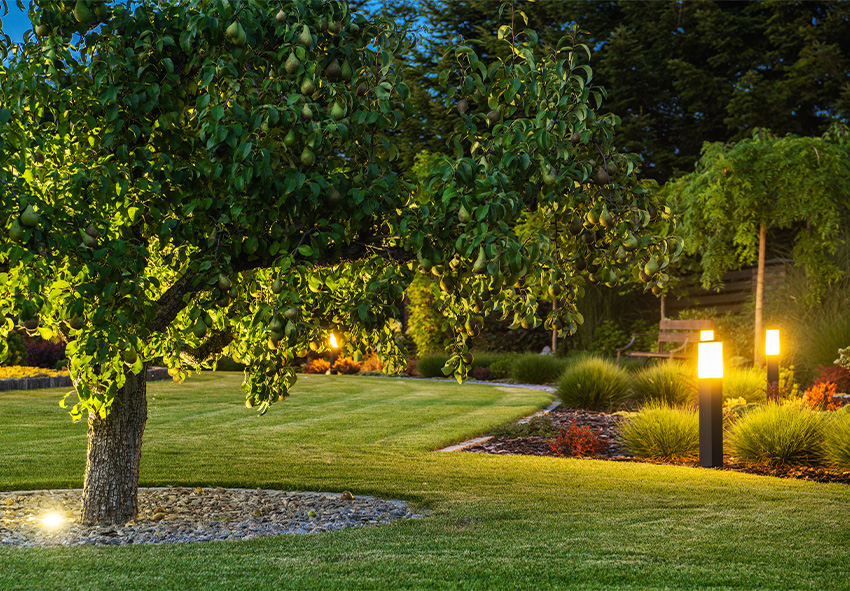
Garden lighting is not just decorative — it adds real value. A well-lit garden feels more inviting and secure. This can positively influence property appeal.
Improving Curb Appeal with Outdoor Lighting
Exterior lighting highlights landscaping features from the street. It creates a polished and welcoming look. First impressions matter, especially at night.
Creating a Welcoming Nighttime Garden
Soft, balanced lighting encourages outdoor use after dark. It turns gardens into living spaces. This adds lifestyle value as well as visual appeal.
Maintaining Your Outdoor Garden Lighting
Regular maintenance keeps garden lighting effective and attractive. Simple checks can prevent failures and extend fixture life. Maintenance also ensures consistent light quality:
- Cleaning and Routine Maintenance Tips: Dirt and debris reduce brightness over time. Clean fixtures regularly to maintain performance. This simple step makes a big difference.
- Replacing and Upgrading Garden Lights: Technology improves quickly, so upgrades can enhance efficiency. Replacing outdated fixtures saves energy. Modern designs also improve aesthetics.
- Adjusting Lighting as Plants Grow: As plants grow, light placement may need adjustment. Flexible fixtures make this easy. This keeps the lighting aligned with the garden’s evolution.
Conclusion
Garden lighting design blends creativity, function, and care for plants. By using thoughtful garden lighting ideas and choosing the right fixtures, outdoor areas can shine after sunset. With proper planning and maintenance, outdoor garden lighting becomes a lasting investment in beauty, safety, and enjoyment!
Frequently Asked Questions (FAQs) about Garden Lighting
1. What is the best type of lighting for a garden?
The best garden lighting depends on your goals and layout. Pathway lights improve safety, accent lights highlight plants and features, and ambient lighting creates atmosphere. A combination of LED and solar lights is often ideal, offering energy efficiency, durability, and flexible design options for outdoor garden lighting.
2. How do I choose garden lighting that won’t harm my plants?
To protect plants, choose low-heat LED fixtures and avoid placing lights too close to leaves or flowers. Indirect lighting works best for most plants. Proper placement and moderate brightness help showcase greenery while preventing stress or damage, making it a key part of thoughtful landscape lighting design.
3. Are solar garden lights effective for outdoor areas?
Yes, solar garden lights are effective for many outdoor areas, especially pathways and borders. They are easy to install, require no wiring, and use renewable energy. While brightness may vary depending on sunlight exposure, modern solar lights provide reliable performance for decorative and functional garden lighting.
4. How many garden lights do I need for my outdoor space?
The number of lights depends on garden size, layout, and purpose. Pathways usually need evenly spaced fixtures, while accent lighting focuses on specific plants or features. It’s best to plan lighting in layers, starting small and adding more lights as needed for balance and comfort.
5. Can I order lavender plants in your online store?
Yes, you can order lavender plants directly from our online store Dutch-bulbs.com. We offer healthy, carefully selected lavender varieties suitable for garden beds, borders, and containers. These plants pair beautifully with outdoor garden lighting, creating a fragrant and visually appealing space both day and night.
Published: 16.01.2026