



Crocuses are among the first flowers to bloom at the end of winter, bringing bright color to gardens when most plants are still dormant. These cheerful spring flowering bulbs are easy to grow, low-maintenance, and ideal for both beginner and experienced gardeners. This full guide for crocuses explains everything you need to know — from planting crocus bulbs correctly to caring for them year after year. Our gardening blog is a perfect place to find all the information you need!
Introduction to Crocuses
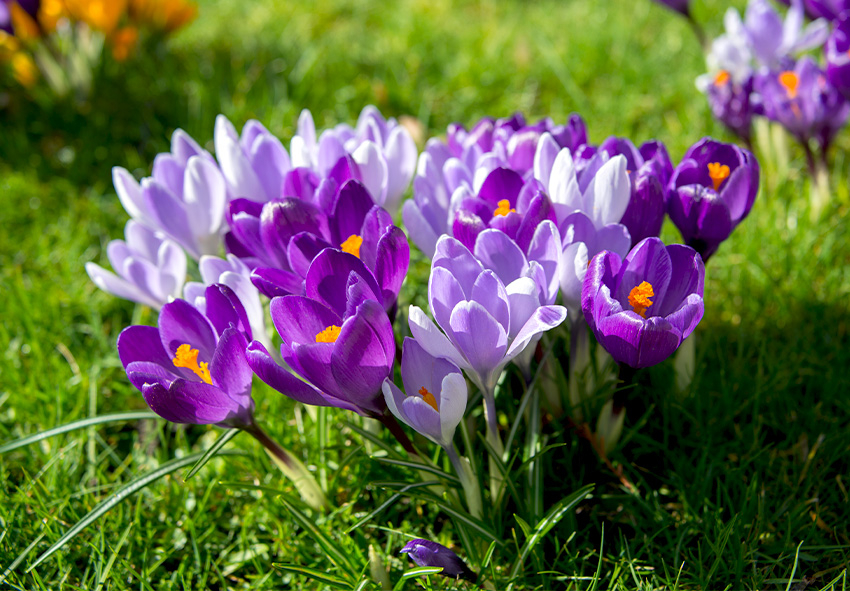
Crocuses are small but powerful bloomers that signal the arrival of spring. Their early flowers often appear through snow, making them a favorite among gardeners looking for early-season interest. Understanding crocus flowers and their growing needs helps ensure strong blooms and long-term success.
What Are Crocuses?
Crocuses are perennial flowering plants grown from corms, commonly referred to as crocus bulbs. They belong to the iris family and are known for their cup-shaped flowers. Crocuses bloom in shades of purple, yellow, white, and striped varieties.
Why Crocuses Are Popular Spring Flowers
Gardeners love crocuses because they bloom early and require minimal care. They are also excellent naturalizers, meaning they multiply over time. Their compact size makes them perfect for lawns, borders, and containers.
Benefits of Growing Crocuses in Home Gardens
Crocuses support early pollinators such as bees when few other flowers are available. They also return reliably each year, providing consistent spring color. Because they grow well in many climates, crocuses suit a wide range of gardens.
Types of Crocuses You Should Know
There are several types of crocuses, each with different bloom times and uses in the garden. Knowing the differences helps gardeners plan for continuous flowering and better landscape design.
Spring-Flowering Crocuses
Spring-flowering crocuses are the most common type and bloom in late winter or early spring. These include popular species such as Crocus vernus. They are ideal for lawns and flower beds.
Fall-Flowering Crocuses
Fall-flowering crocuses bloom later in the year, usually in autumn. These varieties are less common but add unexpected color when most plants are fading. They require similar care but different planting times.
Popular Crocus Varieties for Home Gardens
Choosing the right crocus varieties can make a noticeable difference in color, bloom time, and overall garden impact. Some crocus flowers are prized for their large blooms, while others stand out for unique patterns or strong naturalizing ability. Below are some of the most popular crocus varieties that perform exceptionally well in home gardens:
- Crocus vernus (Dutch Crocus): One of the most widely grown crocus varieties, known for its large, showy flowers. It blooms in early spring and comes in purple, white, and striped forms. This variety is ideal for lawns and flower beds.
- ‘Prins Claus’ Crocus: An early-blooming variety that often flowers before Dutch crocuses. It is valued for its pure white petals adorned with striking violet-blue stripes. Are excellent for naturalizing.
- ‘Pickwick’ Crocus: A classic striped variety with soft lavender petals and dark purple veins. It produces large flowers and is very reliable. ‘Pickwick’ works well in borders and containers.
- ‘Flower Record’ Crocus: Known for its deep violet-purple color and strong stems. This variety produces bold, eye-catching blooms. It is a favorite for mass planting.
- Crocus tommasinianus (Tommies): A delicate, early-blooming species crocus with soft lavender flowers. It spreads quickly and is less attractive to squirrels. Perfect for naturalized areas and woodland gardens.
- ‘Golden Yellow’ Crocus: A bright yellow variety that adds warmth to early spring gardens. It blooms early and contrasts beautifully with purple crocuses. Ideal for rock gardens and sunny spots.
When to Plant Crocus Bulbs
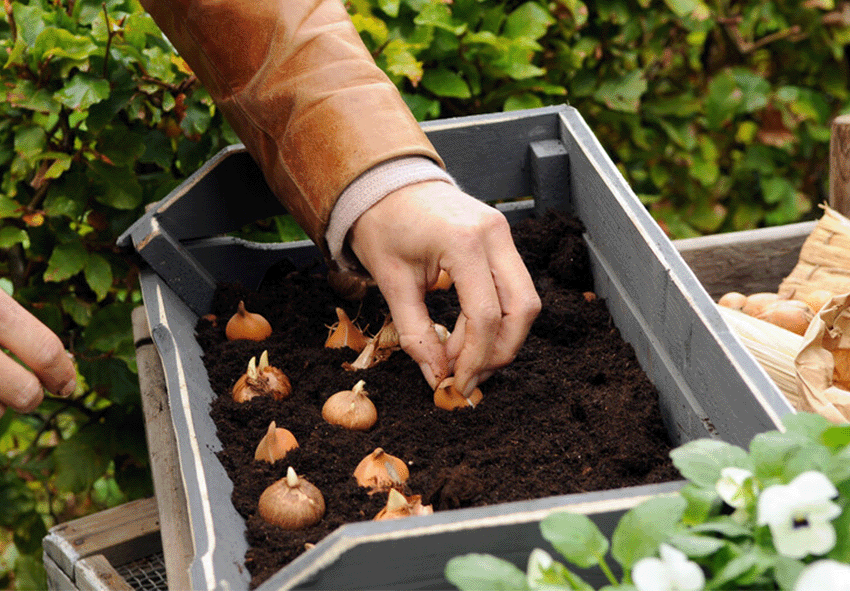
Timing is critical when planting crocus bulbs. Proper planting ensures strong root development and healthy flowers in the next growing season.
Best Planting Time for Spring Crocuses
Spring crocuses should be planted in the fall, about 6–8 weeks before the ground freezes. This allows the bulbs to establish roots before winter. Cooler soil temperatures are essential for proper growth.
Ideal Climate and Hardiness Zones
Crocuses grow best in USDA hardiness zones 3–8. They prefer cold winters and mild springs. In warmer climates, pre-chilling bulbs may be necessary.
How Weather Affects Crocus Growth
Cold exposure triggers blooming in crocus bulbs. Excess moisture or warm winters can reduce flowering. Well-drained soil helps protect bulbs during wet conditions.
How to Plant Crocus Bulbs Correct
Needless to say, planting crocus bulbs properly is one of the most important steps in learning how to grow crocuses successfully. Correct placement and soil conditions lead to stronger blooms. Taking time to prepare the planting area ensures healthier plants and more reliable flowering.
Choosing High-Quality Crocus Bulbs
Healthy crocus bulbs should be firm and free from mold or damage. Larger bulbs generally produce stronger flowers. Quality bulbs result in better long-term performance. Selecting fresh bulbs also reduces the risk of disease and poor germination.
Soil Preparation and Drainage Requirements
Crocuses prefer loose, well-draining soil. Heavy clay soil should be amended with sand or compost. Good drainage prevents bulb rot. Slightly sandy or loamy soil creates ideal conditions for root development.
Planting Depth and Spacing Guidelines
Plant crocus bulbs about 3–4 inches deep with the pointed end facing up. Space them 2–3 inches apart for a natural look. Group planting creates a stronger visual impact. Proper spacing also allows bulbs to multiply over time without overcrowding.
Container vs Ground Planting
Crocuses grow well in containers as long as drainage holes are present. Containers are ideal for patios and balconies. Ground planting works best for naturalized displays. Both methods benefit from well-drained soil and adequate sunlight.
How to Grow and Care for Crocuses
Once planted, crocuses require minimal care. However, basic maintenance improves flowering and bulb longevity. Simple seasonal care helps ensure consistent blooms year after year:
- Watering Needs Throughout the Season: Crocuses need moderate watering during active growth. Overwatering can damage bulbs, especially in dormant periods. Natural rainfall is often sufficient. Water only when the soil feels dry to the touch.
- Sunlight and Location Requirements: Crocus flowers thrive in full sun to partial shade. Sunny locations encourage stronger blooms. Shaded areas may delay flowering. Choosing a bright location also helps prevent weak or leggy growth.
- Fertilizing Crocuses for Healthy Blooms: Apply a balanced fertilizer in early spring or fall. Avoid excessive nitrogen, which promotes leaf growth over flowers. Organic compost also works well. Feeding bulbs lightly supports future bloom development.
- Mulching and Seasonal Protection: Light mulching helps regulate soil temperature. In colder regions, mulch protects bulbs from extreme freezes. Remove excess mulch in early spring. This allows shoots to emerge easily as temperatures rise.
Crocus Blooming Cycle and Growth Stages
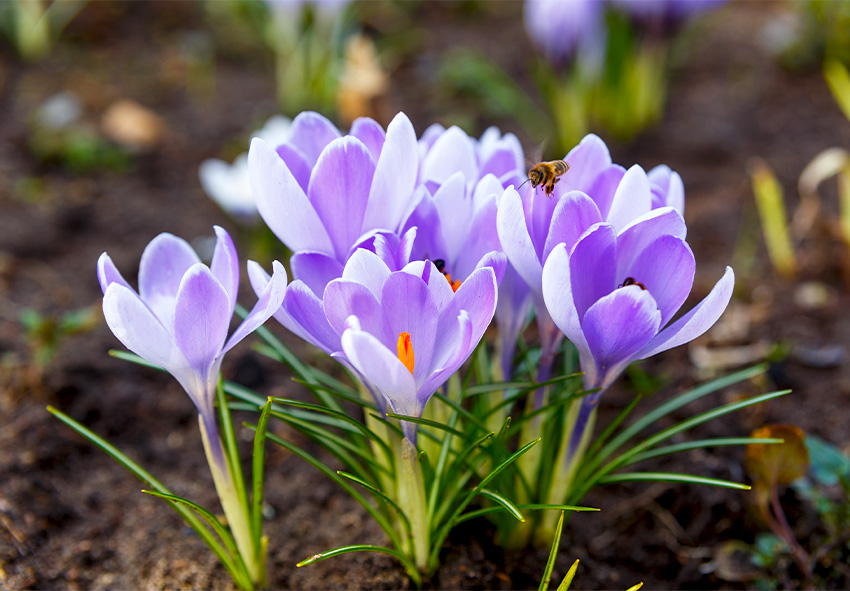
Understanding the crocus growth cycle helps gardeners manage expectations and care routines. Each stage plays an important role in long-term health. Recognizing these stages improves overall plant performance.
What to Expect After Planting
After planting, crocus bulbs focus on root development. Visible growth appears in late winter or early spring. Leaves emerge shortly before flowers. This early growth signals that the bulbs have established successfully.
Bloom Time and Flower Longevity
Most crocus flowers bloom for 2–3 weeks. Cool temperatures help extend flowering time. Different varieties bloom at slightly different times. Planting multiple varieties can lengthen the overall display.
Post-Bloom Care and Leaf Management
Allow leaves to die back naturally after blooming. This process feeds the bulb for next year’s flowers. Avoid cutting foliage too early. Healthy leaves are essential for storing energy in the bulb.
How to Propagate Crocuses
Crocuses multiply naturally over time. Proper propagation keeps plants healthy and productive. Encouraging controlled growth helps maintain strong flowering displays.
Natural Bulb Multiplication
Each crocus bulb produces offsets as it matures. These new bulbs grow into flowering plants. Over time, clumps become denser. Natural multiplication allows crocuses to spread without extra effort from the gardener.
When and How to Divide Crocus Bulbs
Divide crocus bulbs after foliage has died back. Gently separate offsets and replant them. Division improves air circulation and flowering. This process also prevents overcrowding, which can reduce bloom size.
Replanting for Better Flowering
Replant bulbs at the correct depth and spacing. Refresh soil if needed. Proper replanting rejuvenates older plantings. Well-spaced bulbs have better access to nutrients and moisture.
Common Problems When Growing Crocuses
Although crocuses are hardy, problems can occur. Early identification helps prevent long-term damage:
- Pests and Diseases That Affect Crocuses: Rodents may dig up crocus bulbs, especially in winter. Fungal diseases occur in poorly drained soil. Using mesh or gravel can deter pests.
- Overwatering and Drainage Issues: Excess moisture is a common cause of bulb rot. Ensure soil drains well and avoid soggy areas. Raised beds improve drainage.
- Why Crocuses Fail to Bloom: Lack of cold exposure, overcrowding, or poor soil can prevent blooms. Dividing bulbs every few years restores flowering.
Landscaping Ideas Using Crocuses
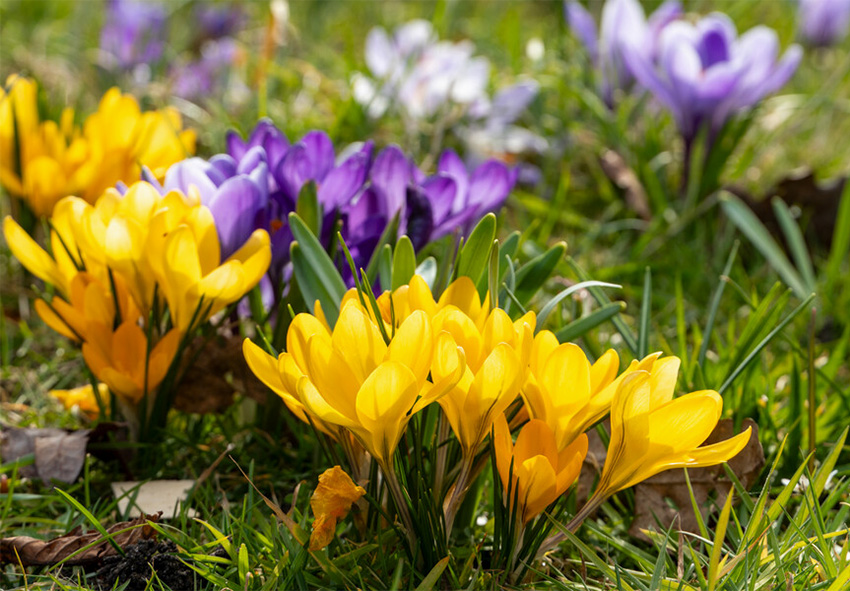
Crocuses are versatile and enhance many garden styles. Thoughtful placement maximizes their visual impact. Their early blooms make them valuable focal points in spring landscapes.
Crocuses in Lawns and Naturalized Areas
Plant crocuses in lawns for a natural meadow effect. They bloom before regular mowing begins. This creates early seasonal color. Lawns with crocuses appear lively and welcoming at the start of spring.
Companion Plants for Crocuses
Pair crocuses with snowdrops, daffodils, and tulips. These companions extend the blooming season. Layering bulbs adds depth to garden beds. Combining different heights creates a balanced and attractive display.
Using Crocuses in Containers and Borders
Crocuses look great along pathways and borders. Containers allow flexible placement and easy care. Mixing colors creates eye-catching displays. Container-grown crocuses are also easy to move as sunlight changes.
Conclusion
Crocuses are reliable, beautiful, and easy to grow, making them ideal for nearly any garden. Their early blooms, low maintenance needs, and ability to naturalize add long-term value. With proper planting and care, crocus flowers will return year after year, welcoming spring with vibrant color and life!
Frequently Asked Questions (FAQs) about Crocuses
1. Are crocuses perennials or annuals?
Crocuses are perennials, meaning they return year after year when grown in suitable conditions. Once planted, crocus bulbs can bloom reliably each spring with minimal care. As long as the foliage is allowed to die back naturally, the bulbs store enough energy to produce flowers again the following season.
2. Can I order crocus bulbs in your online store?
Yes, you can order high-quality crocus bulbs directly from our online store Dutch-bulbs.com. We offer carefully selected varieties suited for home gardens, containers, and naturalized areas. Ordering online allows you to choose from multiple options and receive bulbs ready for planting at the right time of year.
3. How long do crocus flowers last?
Individual crocus flowers typically last between two and three weeks, depending on weather conditions. Cooler temperatures help extend bloom time, while warm spells may shorten it. By planting several varieties with slightly different bloom times, gardeners can enjoy crocus flowers over a longer period in early spring.
4. Do crocuses spread on their own?
Yes, crocuses spread naturally over time through bulb offsets. Each mature bulb produces smaller bulbs that develop into flowering plants. When left undisturbed, crocuses can form dense clusters and naturalized displays. Dividing overcrowded clumps every few years helps maintain healthy growth and consistent flowering.
5. Can crocuses grow in pots and containers?
Crocuses grow very well in pots and containers, making them ideal for patios, balconies, and small gardens. Containers must have proper drainage to prevent waterlogged soil. Using well-draining potting mix and placing containers in a sunny location encourages strong blooms and healthy bulb development.
Published: 20.01.2026