



Hyacinthoides hispanica, commonly known as the Spanish bluebell, is a popular spring-flowering bulb valued for its reliability and adaptability. It produces upright flower spikes that bring soft color and structure to early-season gardens. This species is especially appreciated by gardeners seeking low-maintenance spring interest. Our gardening blog is a perfect place to find all the information you need!
What Makes Spanish Bluebells Unique
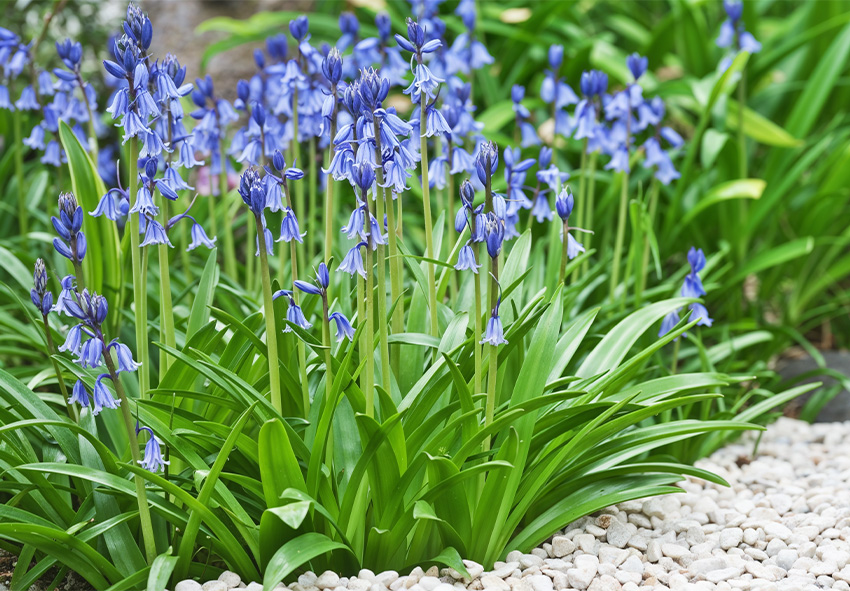
Spanish bluebells stand out for their sturdy, upright stems and open, bell-shaped flowers. Unlike more delicate species, they hold their blooms well in a range of weather conditions. Their strong growth habit makes them suitable for both formal and naturalized garden settings.
Differences Between Spanish and English Bluebells
Spanish bluebells have larger, more widely spaced flowers compared to English bluebells. Their stems are stiffer, allowing flowers to face outward rather than drooping. Spanish bluebells are also more tolerant of garden conditions and less sensitive to soil disturbance.
Why Spanish Bluebells Are Popular Garden Plants
Gardeners value Spanish bluebells for their dependable spring performance and easy care. They return reliably each year with minimal maintenance. Their ability to thrive in sun or partial shade makes them versatile for many garden layouts.
Understanding Hyacinthoides Hispanica
To grow bluebells successfully, it helps to understand their natural growth habits. These bulbs follow a predictable seasonal cycle that supports long-term garden performance. Knowing their basic characteristics makes planting and care more effective.
Botanical Characteristics and Growth Habit
Hyacinthoides hispanica grows from underground bulbs and forms clumps over time. The plant produces narrow, strap-like leaves followed by tall flower spikes. Mature plants typically reach 12–18 inches in height.
Native Habitat and Climate Adaptation
Spanish bluebells originate from the Iberian Peninsula and are well adapted to mild winters and moderate summers. They tolerate a wide range of climates, including cooler regions. This adaptability contributes to their popularity in home gardens.
Bloom Time and Seasonal Growth Cycle
Spanish bluebells bloom in mid to late spring, after early bulbs like crocuses. Foliage appears first, followed by flowers that last several weeks. After blooming, leaves gradually die back as the bulb enters dormancy.
Where to Plant Spanish Bluebells
Choosing the right planting location supports healthy growth and consistent flowering. Spanish bluebells adapt well to different garden environments. Thoughtful placement enhances both plant health and visual impact.
Sunlight Requirements for Healthy Growth
Spanish bluebells grow best in full sun to partial shade. They tolerate shade well, especially under deciduous trees. Adequate sunlight encourages stronger stems and better flower production.
Best Soil Conditions and Drainage Needs
Well-drained soil is essential for Spanish bluebells. They prefer moderately fertile soil that does not stay waterlogged. Improving heavy soil with organic matter helps prevent bulb rot.
Choosing Garden Beds, Borders, or Naturalized Areas
Spanish bluebells work well in mixed borders, woodland edges, and naturalized areas. They blend easily with other spring bulbs and perennials. Their spreading habit allows them to fill spaces naturally over time.
When and How to Plant Hyacinthoides Hispanica
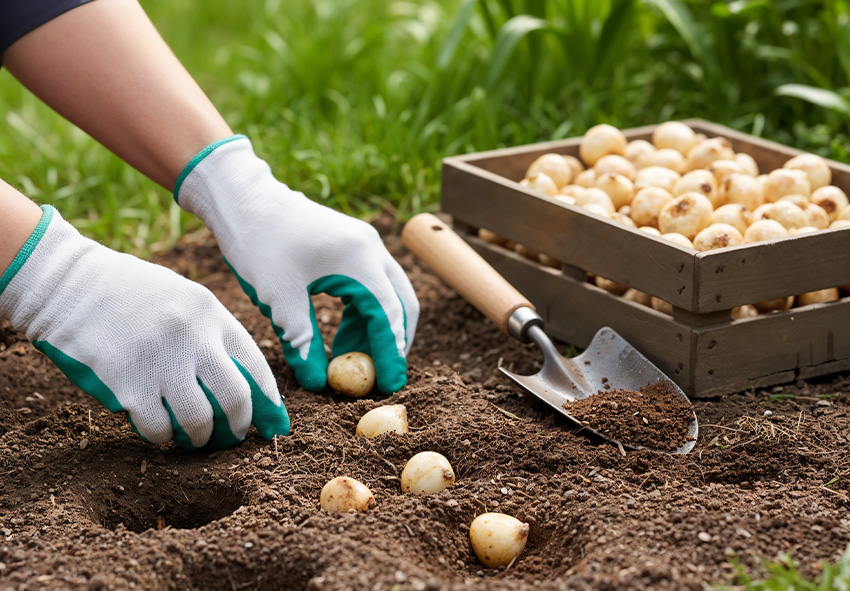
Proper planting ensures strong root development and reliable spring blooms. Timing and technique both influence long-term success. Following simple planting guidelines leads to healthier plants.
Best Time to Plant Spanish Bluebell Bulbs
Spanish bluebell bulbs should be planted in autumn before the ground freezes. Fall planting allows roots to establish before winter dormancy. This results in stronger growth and better flowering in spring.
Planting Depth and Spacing Guidelines
Plant bulbs about 4 inches deep with the pointed end facing upward. Space them 3–4 inches apart to allow room for spreading. Proper spacing improves airflow and reduces competition.
Planting Bluebells in Containers vs Ground
Spanish bluebells grow well in both containers and garden beds. Containers require good drainage and regular watering during growth. Ground planting is ideal for naturalized displays and long-term spreading.
Caring for Spanish Bluebells Throughout the Season
Spanish bluebells are valued for their low-maintenance nature, but consistent seasonal care helps ensure healthy growth and reliable flowering year after year. By adjusting care routines as the plant moves through active growth, flowering, and dormancy, gardeners can support strong bulbs and long-lasting garden displays.
Seasonal care checklist for Spanish bluebells:
- Early spring growth: Monitor emerging shoots and ensure soil remains lightly moist, especially during dry periods. Avoid disturbing new growth, as this is when bulbs are actively developing flowers and roots.
- Flowering period: Enjoy blooms with minimal intervention. Remove spent flower stems only if you want to limit self-seeding, but leave foliage intact to continue feeding the bulb.
- Post-bloom phase: Allow leaves to yellow and die back naturally. This stage is critical for energy storage within the bulb, which directly affects flowering strength the following spring.
- Summer dormancy: Reduce watering significantly once foliage disappears. Bulbs rest during this time, and overly wet soil can cause rot or stress.
- Fall preparation: Apply a light layer of mulch to regulate soil temperature and protect bulbs from extreme cold. Fall is also the best time to divide overcrowded clumps or plant new Spanish bluebell bulbs.
This simple, season-by-season approach keeps Spanish bluebells healthy while maintaining a low-effort, high-impact spring garden.
Bluebell Growth After Flowering
After flowering, Spanish bluebells enter an important recovery phase. What happens during this period determines how well the bulbs perform the following year. Proper post-bloom care supports long-term plant health and consistent spring displays.
Post-Bloom Foliage Care
Allow Spanish bluebell foliage to remain in place after flowering. The leaves continue photosynthesis, helping the bulb recharge for the next season. Cutting foliage too early can weaken bulbs and reduce future blooms. Leaves should only be removed once they yellow and die back naturally.
Bulb Energy Storage and Dormancy
After flowering, energy produced by the leaves is stored in the bulb. This stored energy fuels root growth and flower development for the next spring. Once foliage fades, the bulb enters dormancy. During this period, minimal care is needed until the next growth cycle begins.
Preparing Bluebells for the Next Season
As bluebells go dormant, avoid excessive watering. Mark planting areas to prevent accidental disturbance. Applying a light mulch in late fall can protect bulbs from temperature extremes. These simple steps help ensure strong growth next spring.
How Hyacinthoides Hispanica Spreads
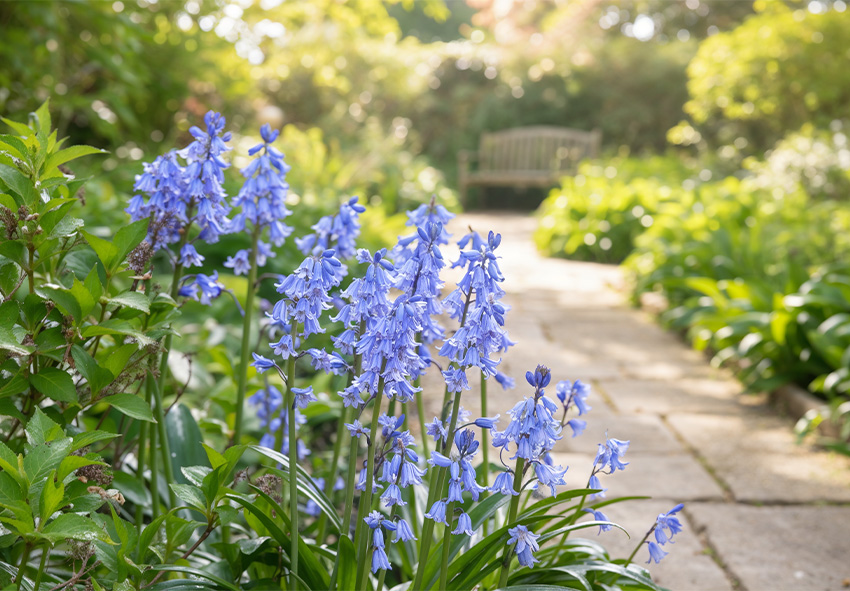
Spanish bluebells spread gradually and predictably, making them ideal for naturalized gardens. Understanding how they multiply helps gardeners manage growth. Controlled spreading leads to fuller displays without overcrowding.
Natural Bulb Multiplication
Each Spanish bluebell bulb produces offsets over time. These small bulbs develop into mature plants after a few seasons. Natural multiplication allows clumps to expand steadily. This process creates dense, colorful patches in spring.
Managing Self-Seeding and Spread
Spanish bluebells may self-seed in favorable conditions. Seedlings usually appear near parent plants. Removing spent flower heads can limit self-seeding if spread becomes excessive. Regular observation helps maintain balanced growth.
When and How to Divide Spanish Bluebells
Divide Spanish bluebells every few years if clumps become crowded. The best time to divide is after foliage has fully died back. Gently lift bulbs, separate offsets, and replant at proper spacing. Division improves airflow and flowering performance.
Companion Plants for Spanish Bluebells
Spanish bluebells pair well with many spring and shade-tolerant plants. Thoughtful combinations enhance visual appeal and extend seasonal interest. Companion planting also supports healthy garden ecosystems.
Pairing Bluebells with Spring Flowering Bulbs
Spanish bluebells complement bulbs like daffodils, tulips, and crocuses. These plants bloom at slightly different times, creating layered spring color. Mixing bulb heights adds depth to garden beds. The result is a longer-lasting spring display.
Shade-Loving Perennials That Grow Well with Bluebells
Hostas, ferns, and astilbes make excellent companions for Spanish bluebells. These perennials emerge as bluebells fade, covering dying foliage. Their contrasting textures enhance garden interest. This pairing ensures continuous visual appeal.
Creating Layered Spring Displays
Layering plants by height and bloom time creates dynamic garden designs. Spanish bluebells work well as mid-layer plants. Taller shrubs or perennials provide structure, while groundcovers fill lower spaces. This approach creates balanced, natural-looking plantings.
Common Growing Problems with Spanish Bluebells
Spanish bluebells are generally trouble-free but may face minor issues. Recognizing problems early helps prevent long-term damage. Most concerns are easily managed with proper care:
- Poor Flowering and Weak Growth: Poor flowering often results from insufficient sunlight or planting bulbs too deeply. Nutrient-poor soil can also limit growth. Ensuring proper planting depth and light conditions usually restores performance. Healthy bulbs bloom more reliably each year.
- Overcrowding and Competition: Over time, dense clumps can compete for water and nutrients. Overcrowding leads to smaller flowers and weaker growth. Dividing bulbs helps relieve competition. Proper spacing improves airflow and overall plant health.
- Pest and Disease Resistance: Spanish bluebells are resistant to most pests and diseases. Bulbs are rarely bothered by rodents or insects. Well-drained soil prevents fungal issues. Maintaining good garden hygiene keeps plants healthy.
Using Spanish Bluebells in Garden Design
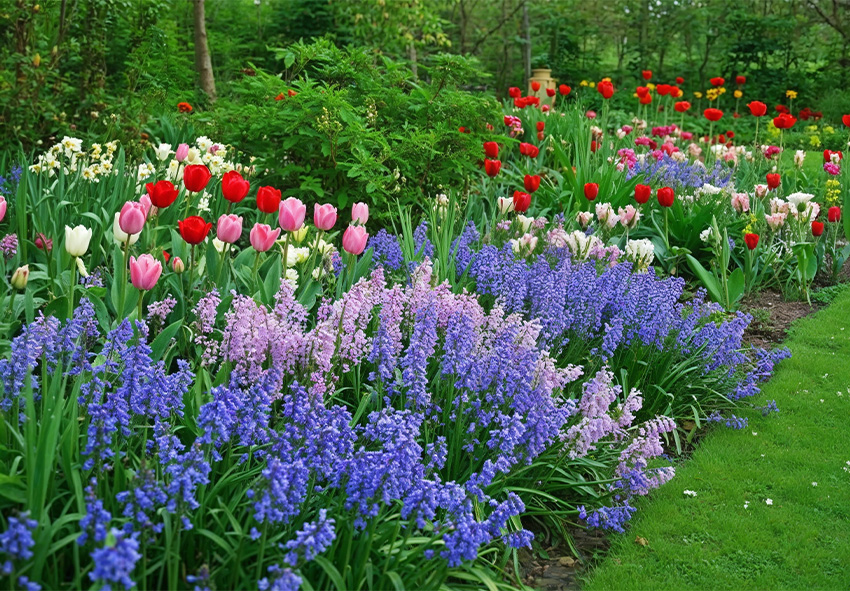
Spanish bluebells are versatile plants for many landscape styles. Their soft color and spreading habit enhance spring gardens. Thoughtful design choices maximize their visual impact.
Woodland and Naturalized Planting Ideas
Spanish bluebells thrive in woodland-style gardens. Planting them beneath deciduous trees creates a natural look. They bloom before trees fully leaf out. This allows sufficient sunlight during active growth.
Bluebells in Borders and Edging
Spanish bluebells work well along borders and pathways. Their upright flowers create neat, defined edges. Mixed with other spring plants, they add color and structure. Borders benefit from their reliable return each year.
Low-Maintenance Spring Garden Layouts
Spanish bluebells suit low-maintenance garden designs. Once established, they require little attention. Their natural spreading reduces the need for replanting. This makes them ideal for busy gardeners.
Conclusion
Spanish bluebells offer dependable beauty with minimal effort. Understanding their growth habits and care needs leads to long-term success. With proper planting and maintenance, they thrive for many years.
Spanish bluebells provide gentle color and structure each spring. Their adaptability makes them suitable for many garden styles. With simple care, they reward gardeners with reliable, long-lasting seasonal interest.
Frequently Asked Questions (FAQs) about Bluebells
1. When is the best time to plant Spanish bluebell bulbs?
The best time to plant Spanish bluebell bulbs is in autumn, before the ground freezes. Fall planting allows roots to establish during cool weather, which supports strong spring growth. Planting at this time results in healthier plants and more reliable flowering the following season.
2. Do Spanish bluebells spread aggressively in the garden?
Spanish bluebells spread gradually through bulb offsets and occasional self-seeding. While they can form large clumps over time, they are easy to manage with periodic division. Removing spent flowers can reduce self-seeding, making them suitable for controlled garden designs and naturalized areas.
3. Can Spanish bluebells grow in shade?
Yes, Spanish bluebells perform well in partial shade and light woodland conditions. They are especially suited to areas beneath deciduous trees, where they receive sunlight in early spring. Adequate light encourages stronger stems and better flowering, even in shaded gardens.
4. How do I care for Spanish bluebells after flowering?
After flowering, allow the foliage to remain until it turns yellow and dies back naturally. This process helps the bulb store energy for next year’s blooms. Avoid cutting leaves early or overwatering during dormancy to maintain bulb health and long-term performance.
5. Can I order bluebell bulbs from your online plant store?
Yes, you can order high-quality bluebell bulbs directly from our online store Dutch-bulbs.com. We offer carefully selected bulbs with detailed planting and care instructions, making it easy to establish healthy, long-lasting spring displays in a variety of garden settings.
Published: 20.02.2026