



Roses are among the most beloved garden plants, but they are also vulnerable to a range of diseases that can weaken growth and reduce flowering. Effective disease control for roses is essential for maintaining healthy, vibrant plants throughout the growing season. By understanding common rose diseases and applying preventive care, gardeners can protect their roses and enjoy long-lasting blooms.
This guide explains how to identify, prevent, and treat rose diseases using practical, gardener-approved methods. Our gardening blog is a perfect place to find all the information you need!
Understanding Common Rose Diseases

Roses are susceptible to both fungal and bacterial infections, especially when growing conditions are less than ideal. Warm temperatures, high humidity, poor air circulation, and wet leaves create the perfect environment for disease development. Early detection plays a crucial role in minimizing damage and preventing spread.
The most common rose diseases affect leaves, stems, and buds, often reducing plant vigor if left untreated. Learning to recognize symptoms early allows gardeners to act quickly and preserve plant health.
Black Spot Disease in Roses
Black spot is one of the most widespread fungal diseases in roses and is easily recognized by dark, circular spots on the leaves. As the disease progresses, infected leaves turn yellow and fall off, weakening the plant over time. Poor airflow and frequent overhead watering increase the risk of black spot.
To manage this disease, remove infected leaves immediately and avoid wetting foliage when watering. Regular application of organic or chemical fungicides can significantly improve disease control for roses affected by black spot.
Bacterial Diseases Affecting Roses
Bacterial diseases, such as crown gall, are less common but more difficult to treat. Crown gall causes tumor-like growths on stems and roots, interfering with water and nutrient uptake. Infected plants often decline slowly and may eventually die.
Unfortunately, there is no chemical cure for most bacterial rose diseases. The best approach is prevention—purchase disease-free plants, sterilize pruning tools, and remove severely infected roses to protect nearby plants.
Rust and Other Fungal Diseases in Roses
Rust is another fungal issue that causes orange or reddish pustules on the undersides of leaves. Over time, infected leaves may drop prematurely, reducing the plant’s ability to photosynthesize. Rust spreads easily through wind and water splash, making control challenging.
Preventive care is essential when managing fungal diseases in roses. Regular pruning, proper spacing, and seasonal fungicide use can significantly reduce infection risks and protect long-term plant health.
Powdery Mildew on Rose Plants
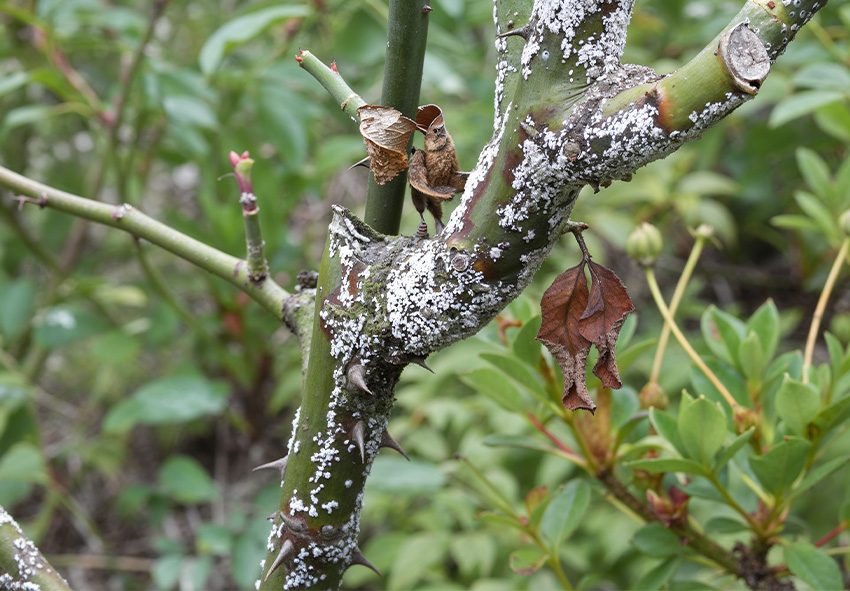
Powdery mildew appears as a white or gray powdery coating on leaves, buds, and stems. Unlike many fungal diseases, it thrives in dry conditions with cool nights and warm days. This disease can stunt growth and distort new foliage if not treated early.
Improving air circulation and placing roses in sunny locations helps reduce powdery mildew outbreaks. Neem oil and sulfur-based fungicides are effective options for how to treat rose diseases like powdery mildew.
Preventive Rose Plant Care for Disease Control
Preventive care is the foundation of successful disease control for roses. When roses are grown in the right conditions and maintained properly, they are far less likely to develop fungal or bacterial problems. Consistent care not only reduces disease pressure but also promotes stronger growth, healthier foliage, and more abundant blooms.
Key preventive practices include:
- Choose the right planting location: Plant roses in a sunny area that receives at least six hours of direct sunlight daily. Good sunlight helps dry moisture from leaves quickly, reducing the chances of fungal diseases developing.
- Ensure proper air circulation: Space rose plants adequately and prune them regularly to improve airflow. Good circulation prevents humidity buildup around the leaves, which is a major cause of common rose diseases.
- Water correctly and consistently: Water roses at the base of the plant rather than overhead. Keeping foliage dry helps prevent fungal diseases in roses, especially during warm and humid weather.
- Maintain healthy soil conditions: Use well-draining, nutrient-rich soil amended with organic matter. Healthy soil strengthens root systems and improves the plant’s natural resistance to disease.
- Practice regular pruning and sanitation: Remove dead, damaged, or infected branches promptly. Clean pruning tools between plants to avoid spreading disease-causing organisms.
- Apply preventive treatments when needed: Use organic sprays such as neem oil or approved fungicides early in the season. Preventive applications are more effective than treating advanced infections.
- Monitor plants regularly: Inspect roses weekly for early signs of disease. Early detection allows faster treatment and helps maintain long-term rose plant health.
In addition to disease prevention, managing insects is equally important, as pests can weaken plants and make them more vulnerable to infections. Learn more about integrated protection strategies of roses pest control to know how to manage harmful insects safely and effectively.
Organic and Chemical Treatment Options
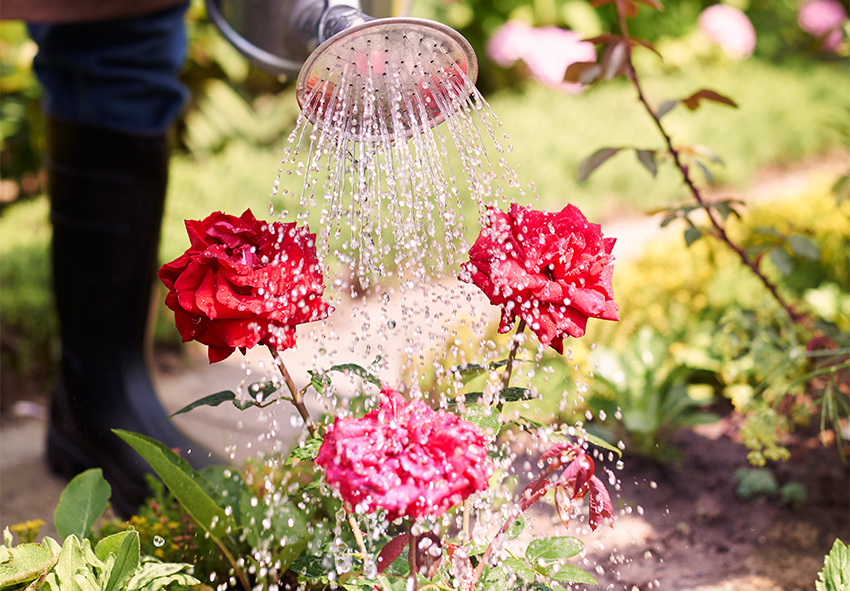
Gardeners can choose between organic and chemical solutions depending on their gardening philosophy and disease severity. Organic options such as neem oil, baking soda sprays, and compost teas are effective for mild infections. These methods are eco-friendly and safe for pollinators.
For severe outbreaks, chemical fungicides may be necessary to stop disease spread. Always follow label instructions carefully and rotate products to prevent fungal resistance.
Seasonal Tips to Prevent Rose Diseases
Seasonal maintenance plays a major role in keeping roses disease-free. In spring, remove winter debris and apply preventive fungicides before symptoms appear. Summer care focuses on proper watering and monitoring for early disease signs.
In fall, clean up fallen leaves and prune lightly to reduce overwintering spores. These habits help break disease cycles and support long-term disease control for roses year after year.
Conclusion
Successful disease control for roses depends on early detection, consistent care, and preventive strategies. By understanding common rose diseases and applying proper rose plant care, gardeners can reduce infections and enjoy healthier plants. Whether using organic methods or targeted treatments, a proactive approach ensures roses remain strong, beautiful, and productive throughout the growing season.
Frequently Asked Questions (FAQs) about Disease Control for Roses
Published: 02.01.2026