



Asiatic lilies are among the most reliable and vibrant summer-flowering bulbs you can grow. Known for their bold colors, upright stems, and easy maintenance, these lilies bring structure and brilliance to garden beds and containers alike. If you’re looking for dependable blooms with minimal fuss, Asiatic lilies are an excellent choice for beginners and experienced gardeners.
In this first part of our complete guide, we’ll cover the essentials: what makes these lilies special, how to choose the right varieties, and exactly how to plant them for long-lasting success. Our gardening blog is a perfect place to find all the information you need!
Introduction to Asiatic Lilies
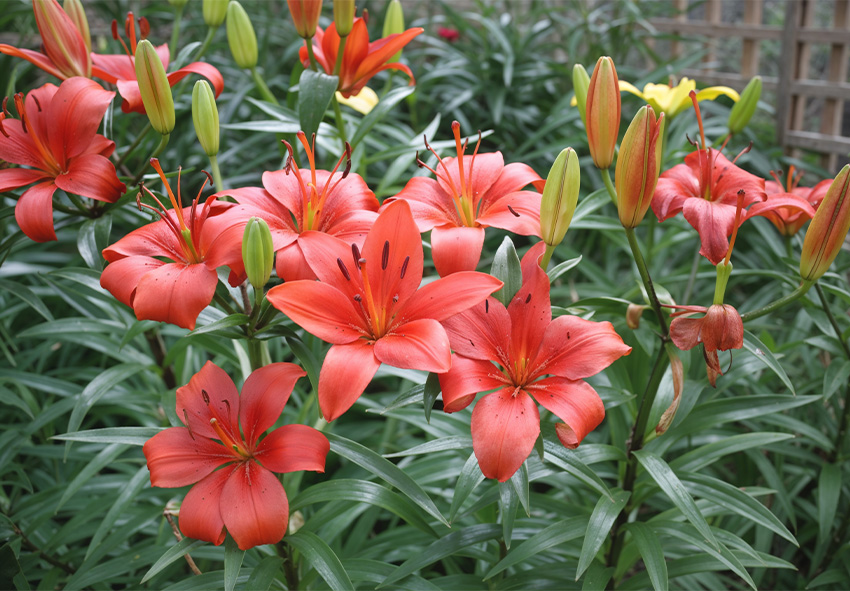
Asiatic lilies are early-summer bloomers grown from hardy bulbs. They are prized for their wide color range, upward-facing flowers, and strong stems. Unlike some other lilies, they are generally unscented, making them ideal for gardeners who prefer visual impact without heavy fragrance.
These lilies are also cold-hardy and adaptable, thriving in many climates. Once established, they return year after year with proper care. That reliability makes growing Asiatic lilies a smart investment for any garden.
What Makes Asiatic Lilies Unique
Asiatic lilies stand out for their vivid colors and clean flower shapes. They bloom in shades of orange, red, yellow, pink, white, and even bi-color combinations. Their petals are often speckled or brushed with contrasting tones.
Another unique feature is their upright-facing flowers. Unlike some lilies that droop or curve, Asiatic blooms face upward or outward, making them highly visible in garden beds. They also bloom earlier than Oriental lilies, helping bridge the gap between spring bulbs and midsummer perennials.
Why Gardeners Love Growing Asiatic Lilies
Gardeners appreciate Asiatic lilies because they are low maintenance and dependable. They tolerate cold winters well and don’t require frequent division. Once planted correctly, they naturalize gradually and form impressive clumps over time.
Their strong stems rarely need staking, especially dwarf varieties. In addition, they are excellent cut flowers, lasting well in vases. For gardeners seeking color, structure, and ease, Asiatic lily care is refreshingly simple.
Overview of the Asiatic Lily Growing Cycle
The growing cycle of Asiatic lilies begins in spring when shoots emerge from the soil. As temperatures warm, stems grow quickly and form buds. Blooming typically occurs in early to mid-summer.
After flowering, foliage continues to photosynthesize and feed the bulb. This stage is essential for next year’s blooms. By late summer or early fall, the plant begins to die back naturally, entering dormancy until the following spring.
Comparative Overview of Popular Asiatic Lily Varieties
Asiatic lilies are valued for their vibrant colors, upright blooms, and reliable summer performance. Each variety offers a slightly different height, tone, and visual effect, making them versatile choices for borders, containers, and cutting gardens. Below is a detailed comparative list to help you choose the best lilies for your garden style and planting needs.
Lily Twosome
Lily Twosome is a compact Asiatic lily admired for its soft, romantic bicolor blooms. Its creamy white petals gently blend into rosy-pink centers, creating a delicate yet eye-catching display. This variety is especially suitable for small gardens or container planting, where its neat size can be fully appreciated. Despite its compact height, it produces multiple upward-facing flowers that brighten early summer beds.
- Height: Approximately 12–18 inches
- Bloom time: Early summer
- Best for: Containers, front borders, small gardens
- Special feature: Upward-facing blooms with a cheerful two-tone contrast
Lily Fancy Dance
Lily Fancy Dance stands out with its artistic, brushstroke-like petal pattern. Creamy white petals are dramatically accented with bold burgundy or deep pink markings, giving each bloom a painted appearance. This variety adds movement and visual interest to mixed borders and pairs beautifully with purple or blue companion plants. Its medium height makes it versatile for both garden beds and cut flower arrangements.
- Height: 24–36 inches
- Bloom time: Early to mid-summer
- Best for: Mixed borders and cutting gardens
- Special feature: Artistic, painterly petal pattern with strong garden presence
Lily Forever Susan
Lily Forever Susan is a bold, high-contrast variety that immediately draws attention. Its deep burgundy petals edged with fiery orange create a dramatic, almost tropical effect in the garden. This Asiatic lily performs exceptionally well in sunny locations and holds its vibrant color throughout the bloom period. It works beautifully as a focal point in modern or high-impact garden designs.
- Height: 30–36 inches
- Bloom time: Mid-summer
- Best for: Statement plantings and bold color schemes
- Special feature: Striking contrast and long-lasting blooms
Lily Lady Alice
Lily Lady Alice offers a softer, more classic look compared to bold Asiatic types. Its creamy white petals and warm orange throats create a refined and elegant appearance. Taller than many standard varieties, it adds vertical structure to back borders and cottage-style plantings. The slightly recurved petals give the flowers graceful movement, enhancing layered garden compositions.
- Height: 36–48 inches
- Bloom time: Mid to late summer
- Best for: Back borders and cottage-style gardens
- Special feature: Elegant, slightly recurved petals with soft color blending
Lily Happy Heart
Lily Happy Heart lives up to its name with bright, sunny yellow blooms that radiate warmth. The rich color brings energy to early summer plantings and contrasts beautifully with darker foliage plants. Its moderate height makes it ideal for mid-border placement or mass planting for a cheerful visual impact. This variety is especially effective in gardens designed for bold, uplifting color themes.
- Height: 18–24 inches
- Bloom time: Early summer
- Best for: Mass plantings and sunny borders
- Special feature: Clear, luminous color that stands out in mixed beds
Lily Pearl Frances
Lily Pearl Frances is appreciated for its soft pink tones and smooth, refined petals. The gentle coloring makes it a wonderful choice for pastel-themed gardens or romantic landscape designs. It pairs well with white flowers and silvery foliage for a calm, elegant effect. This variety also performs beautifully as a cut flower, adding subtle charm to summer bouquets.
- Height: 24–30 inches
- Bloom time: Early to mid-summer
- Best for: Pastel-themed gardens and floral arrangements
- Special feature: Graceful form with gentle, feminine color appeal
How to Choose the Right Asiatic Lily Varieties
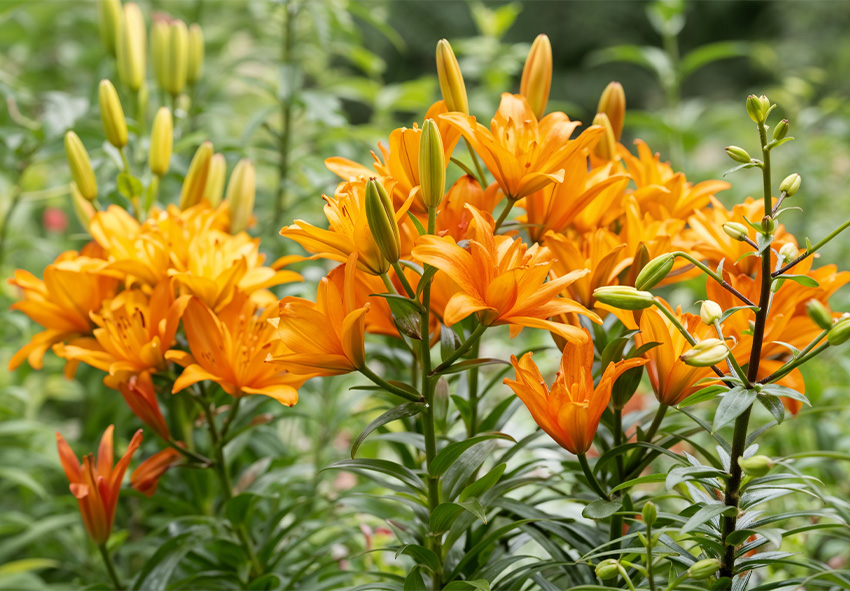
Selecting the right variety is an important step in successful lily bulb planting. With so many colors and sizes available, gardeners can match lilies to specific design goals. Whether you want compact patio plants or tall border accents, there’s an Asiatic lily to fit.
Healthy bulbs are equally important. Starting with strong, firm bulbs ensures better root development and flower production.
Popular Colors and Flower Forms
Asiatic lilies are known for their bold and cheerful colors. Bright orange and red varieties create dramatic focal points, while soft pinks and whites blend beautifully in mixed borders. Some cultivars feature contrasting spots or darker centers.
Flower shapes range from classic star-shaped blooms to slightly recurved petals. While they lack heavy fragrance, their striking appearance more than compensates. Mixing colors can create vibrant summer displays.
Dwarf vs Tall Asiatic Lilies
Dwarf Asiatic lilies typically grow 12–18 inches tall. These are ideal for containers, edging, and small garden spaces. Their compact form makes them easy to manage in windy areas.
Tall varieties can reach 3–4 feet in height. They are perfect for back borders or layered plantings. Taller lilies may benefit from light support in exposed gardens, but many have sturdy stems that stand well on their own.
Selecting Healthy Lily Bulbs
When purchasing bulbs, choose those that are firm and free from mold or soft spots. Larger bulbs often produce stronger stems and more blooms. Avoid dried-out or damaged bulbs.
Proper storage before planting is also important. Keep bulbs cool and dry until you are ready for planting. High-quality bulbs form the foundation for successful growing Asiatic lilies in your garden.
When and How to Plant Asiatic Lilies
Correct planting is the key to healthy roots and abundant flowers. Knowing how to plant Asiatic lilies properly ensures strong growth and reliable summer blooms. Both timing and soil preparation play crucial roles.
Asiatic lily bulbs can be planted in spring or fall, depending on your climate. In colder regions, spring planting is often preferred, while milder climates allow for fall planting.
Best Time for Lily Bulb Planting
Asiatic lilies can be planted in early spring as soon as the soil is workable. Fall planting is also suitable in areas with mild winters. Planting at the right time allows roots to establish before active growth begins.
Avoid planting in frozen or waterlogged soil. Well-prepared soil supports healthy root development and strong stems.
Ideal Soil Conditions and Drainage
Well-drained soil is essential for successful Asiatic lily care. Lilies do not tolerate standing water, which can cause bulb rot. Sandy or loamy soil works best.
If your soil is heavy clay, improve it with compost or coarse sand. Raised beds are another effective solution for improving drainage. Proper soil conditions directly impact flower quality.
Planting Depth and Spacing Guidelines
Plant Asiatic lily bulbs about 4–6 inches deep. The pointed end should face upward. Deeper planting helps stabilize tall stems and protects bulbs from temperature fluctuations.
Space bulbs 8–12 inches apart to allow airflow and future growth. Proper spacing reduces disease risk and ensures each plant has room to develop fully.
Planting Asiatic Lilies in Containers vs Ground
Asiatic lilies grow well in containers with drainage holes. Use high-quality potting mix and avoid overwatering. Containers are ideal for patios and small spaces.
In-ground planting allows bulbs to naturalize and form larger clumps over time. Both methods can be successful with proper drainage and sunlight.
Sunlight and Location Requirements

Choosing the right location is just as important as proper planting. Asiatic lilies perform best when placed in areas that support strong stems and abundant flowering. Light, airflow, and protection from harsh conditions all contribute to healthy growth.
Understanding these environmental needs makes growing Asiatic lilies much easier and more rewarding.
Full Sun vs Partial Shade
Asiatic lilies prefer full sun for at least 6 hours per day. Adequate sunlight encourages sturdy stems and vibrant flower color. In hotter climates, light afternoon shade can help prevent stress and fading blooms.
Too much shade may result in weak stems and fewer flowers. When selecting a site, prioritize bright, open areas for the best performance.
Protecting Lilies from Strong Winds
Although many Asiatic lilies have sturdy stems, strong winds can still cause damage. Planting near fences, shrubs, or other structural plants provides natural wind protection. This is especially important for taller varieties.
In exposed areas, consider light staking for added support. Stable stems help maintain upright blooms and improve overall appearance.
Companion Planting for Support and Design
Companion planting enhances both aesthetics and plant health. Low-growing perennials or groundcovers can shade the soil and help retain moisture. This keeps roots cool while lilies grow upward into the sun.
Good companions include salvia, catmint, and ornamental grasses. These plants complement the bold blooms of Asiatic lilies while improving garden balance and visual depth.
Essential Asiatic Lily Care Throughout the Season
Proper maintenance ensures strong stems and vibrant flowers. While Asiatic lilies are relatively low maintenance, consistent care improves bloom size and longevity. Attention to watering, feeding, and mulching makes a noticeable difference.
With simple routines, Asiatic lily care becomes straightforward and effective:
- Watering Schedule and Moisture Control: Asiatic lilies prefer evenly moist but not soggy soil. Water deeply once or twice per week during dry periods. Consistent moisture supports bud development and prevents stress. Avoid overhead watering when possible, as wet foliage can increase disease risk. Proper drainage remains essential throughout the growing season.
- Fertilizing for Strong Growth and Blooms: Feed Asiatic lilies in early spring as shoots emerge. A balanced, slow-release fertilizer works well. This supports strong stems and abundant flower production. Avoid excessive nitrogen, which can encourage leafy growth at the expense of blooms. Light feeding after flowering can also help strengthen bulbs for next year.
- Mulching for Temperature and Moisture Balance: Apply a light layer of mulch around the base of the plants. Mulch helps retain soil moisture and regulate temperature. It also suppresses weeds that compete for nutrients. Organic mulch, such as shredded bark or compost, works best. Keep mulch slightly away from stems to prevent rot.
- Staking and Supporting Taller Varieties: Most dwarf Asiatic lilies do not require support. However, taller varieties may benefit from discreet staking in windy locations. Install stakes early to avoid disturbing roots later. Supporting stems ensures upright growth and protects developing buds. This is especially useful in exposed garden beds.
Blooming Period and Flower Maintenance
One of the greatest rewards of growing Asiatic lilies is their vibrant summer display. With proper care, blooms can last several weeks. Understanding how to maintain flowers extends their beauty.
Routine flower maintenance also supports future growth and bulb strength.
When Asiatic Lilies Bloom
Asiatic lilies typically bloom in early to mid-summer. Bloom timing depends on variety and climate. Early varieties may flower in late spring, while others continue into midsummer.
Planting multiple varieties with staggered bloom times extends the flowering season. This strategy creates continuous color in garden beds.
Deadheading and Extending Flower Display
Remove spent flowers by cutting just below the bloom. This prevents seed formation and redirects energy to the bulb. Deadheading also keeps plants looking neat.
However, always leave the main stem and foliage intact. The leaves are essential for photosynthesis and future flowering.
Pest and Disease Control for Asiatic Lilies
Pest and disease control for lilies is an important part of the maintenance. Asiatic lilies are generally hardy, but they can be affected by pests like lily beetles and aphids. Regular inspection of stems and leaves helps catch infestations early.
Remove damaged foliage and treat affected plants with safe, targeted insecticides if necessary. Maintaining good airflow, proper spacing, and well-drained soil reduces the risk of fungal diseases and keeps lilies healthy.
Cutting Asiatic Lilies for Bouquets
Asiatic lilies make excellent cut flowers. Harvest stems when the first buds begin to open. This ensures longer vase life.
When cutting, leave at least one-third of the stem and foliage on the plant. Preserving foliage helps the bulb store energy for the next season.
Post-Bloom Care and Bulb Maintenance
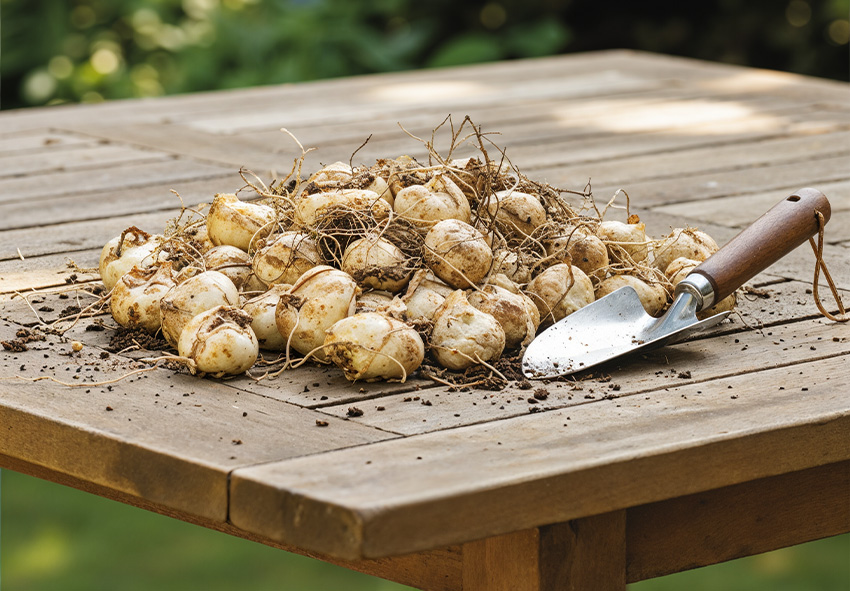
After flowering, attention shifts to bulb health. Proper post-bloom care determines how well lilies perform the following year. Patience during this stage is key.
Maintaining healthy bulbs ensures reliable blooms year after year.
Allowing Foliage to Die Back Naturally
Do not cut back foliage immediately after blooming. Leaves continue to produce energy through photosynthesis. This energy strengthens the bulb underground.
Wait until leaves turn yellow and dry naturally before trimming. Premature cutting can weaken future flowering.
Preparing Lilies for Winter
In colder climates, apply mulch after the ground begins to cool. This protects bulbs from extreme temperature fluctuations. Remove excess mulch in early spring to allow shoots to emerge easily.
Asiatic lilies are generally cold-hardy and require minimal winter protection when planted properly.
Dividing and Transplanting Lily Bulbs
Over time, clumps may become crowded. Divide bulbs every 3–4 years if flowering declines. Carefully lift bulbs in early fall and replant immediately.
Dividing improves airflow and nutrient access. It also allows you to expand your collection of beautiful Asiatic lilies throughout the garden.
Conclusion: Growing Asiatic Lilies Successfully
Asiatic lilies combine vibrant color, reliable performance, and simple care requirements. With proper planting, adequate sunlight, and consistent seasonal maintenance, they reward gardeners with striking summer blooms year after year.
Whether planted in borders, containers, or mixed beds, these lilies are a dependable choice for creating bold, structured garden displays. By following this planting, care, and maintenance guide, you can confidently grow healthy, long-lasting Asiatic lilies that brighten your garden every summer.
Frequently Asked Questions (FAQs) about Asiatic Lilies
1. What are the main differences between Asiatic lily varieties?
Asiatic lilies vary in height, bloom color, and bloom time. Compact varieties like Lily Twosome suit containers and small borders, while taller types like Lily Lady Alice are ideal for back borders or layered plantings. Some varieties feature bold color contrasts, while others offer soft pastel tones, allowing gardeners to mix and match for continuous summer displays.
2. When is the best time to plant Asiatic lily bulbs?
The best time to plant Asiatic lilies depends on your climate. In most regions, early spring planting is ideal once the soil is workable. In milder climates, fall planting is also possible. Proper timing ensures bulbs establish strong roots and produce abundant blooms throughout the summer.
3. How should I care for Asiatic lilies during the growing season?
Asiatic lilies require full sun, well-drained soil, and consistent moisture while actively growing. Fertilize in early spring with a balanced feed and apply mulch to retain soil moisture and regulate temperature. Deadhead spent flowers, but allow foliage to die back naturally to strengthen bulbs for the next season.
4. Can I order Asiatic lilies from your online store?
Yes! Our online store Dutch-bulbs.com offers a wide selection of Asiatic lily bulbs, including popular varieties like Lily Twosome, Lily Fancy Dance, and Lily Lady Alice. Each bulb is carefully selected for garden performance and comes with planting and care instructions to ensure beautiful, long-lasting blooms.
5. How do I prevent common problems with Asiatic lilies?
Common issues include bulb rot, pest damage, or weak flowering. Ensure proper drainage to avoid waterlogging, protect stems from strong winds, and monitor for pests such as lily beetles. Providing adequate sunlight, spacing bulbs correctly, and allowing foliage to die back naturally will promote strong, healthy plants year after year.
Published: 17.02.2026